"Optimizing Internet Service for SMBs: A Comprehensive Overview"
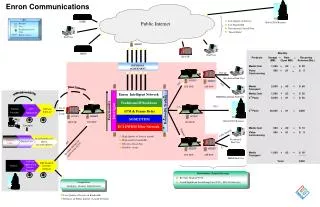
This document explores the dynamics of Internet service provision for Small and Medium Businesses (SMBs) using various technologies and network configurations. It highlights key aspects such as the importance of Quality of Service, low bandwidth options, and revenue-sharing strategies from application service providers. Various configurations, including DSL, cable modems, and Direct Connections, are discussed. The paper also addresses the challenges of relying on public internet infrastructure and the benefits of dedicated networks for mission-critical data. Insights into competitive strategies and local loop costs are included.

"Optimizing Internet Service for SMBs: A Comprehensive Overview"
E N D
Presentation Transcript
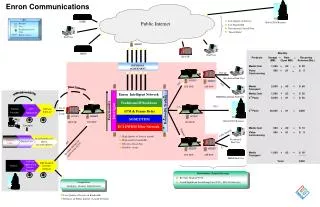
SMBE SMBE ISP POP End User End User Global 2000 Business Global 2000 Business Enron Communications Key Low Quality of Service Low Bandwidth Non-mission Critical Data “Best Efforts” Public Internet Revenue Cost Distribution Servers (Sun) Routers (Cisco) x = INTERNAP AGREEMENT x = x = Dial-up Residential End User NYC DSL x = ECI POP ISP POP Direct Connection Enron Intelligent Network x = $/MB delivered ($150) SMBE/Residential End User x = Traditional IP Backbone DS-3 LA Local Loop Bandwidth Trading Content Provider ECI Application 3rd Party Software Functionality InterAgent ATM & Frame Relay x = SONET/TDM ECI POP ISP POP ECI POP ECI DWDM Fiber Network Examples x = x = Houston Cable Modem High Quality of Service (tiered) High and low bandwidth Mission critical data Reliable, secure Real Networks G2 player (encoder/splitter) ResidentialEnd User Country Cool API Revenue sharing for applications ($250) Media Cast T1 x = ECI POP ISP POP SMBE End User 3rd Party ApplicationService Provider EIN Enabled 3rd Party Software Source Distribution Channel Strategy Revenue Sharing 90/10 Avoid Significant Local Loop Cost (25% - 40% of total cost) Competition Sandpiper, Akamai, Digital Island Low Quality of Service & Bandwidth Reliance on Public Internet / Leased Network