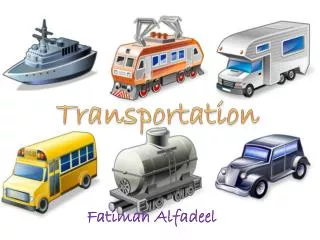
The Evolution of Transportation: From Steam Engines to Modern Internal Combustion Engines
Journey through the history of transportation as we explore the fascinating evolution of steam engines to the advanced internal combustion engines of today. Discover the contributions of pioneers like Nikolaus Otto and Rudolph Diesel, whose inventions propelled personal and commercial transport into a new era. Learn about the efficiency and emissions challenges of current internal combustion engines and the potential of alternative fuels such as CNG, hydrogen, and electric vehicles. The future of transportation is greener and more innovative than ever!


The Evolution of Transportation: From Steam Engines to Modern Internal Combustion Engines
E N D
Presentation Transcript
Steam Engines http://vulpeslibris.wordpress.com/2010/07/02/riverboat-the-evolution-of-a-television-series-and-the-steamboat-era-both-by-s-l-kotar-and-j-e-gessler/ http://chuckmanchicagonostalgia.wordpress.com/2012/11/25/photo-chicago-train-chicago-st-paul-minneapolis-and-omaha-railroad-steam-engine-93-and-crew-early/photo-chicago-train-chicago-st-paul-minneapolis-and-omaha-railroad-steam-engine-93-and-crew-early/
Internal Combustion Engine • Nikolaus August Otto, patent 1876 • Part of nearly all private passenger vehicles • Plentiful petroleum led to use of gasoline in the engine • Fuel mixed with air then injected • Uses electric spark for explosion • 250+ million cars now registered in U.S.
Diesel Engine • Rudolph Diesel, invented 1878 • Another form of internal combustion engine • Direct fuel injection • No spark plug • Fuel ignites at its flash point • More efficient than gasoline engines of day
Current IC Engines • Thermal efficiency (26-34%) • Mechanical efficiency (94%) • Overall efficiency (20%) • Emissions • Particulate matter • NOx • Sulfur oxides • Carbon monoxide • Carbon dioxide
Alternatives to Petroleum-based Fuels • Compressed Natural Gas (CNG) • Cleaner, does not emit nitrogen and sulfur oxides, or all the particulate matter • Still releases carbon dioxide • Hydrogen fuel cells (used at Vancouver Olympics) • Only emission is water vapor • Lots of energy required to generate hydrogen • Lack of infrastructure • Currently prohibitively expensive
Alternatives to Petroleum-based Fuels • LNG • Fuel blends (Ethanol, biodiesel) • Hybrid vehicles • All Electric vehicles
For More Information The NEED Project www.need.org info@need.org 1-800-875-5029 Energy Information Administration U.S. Department of Energy www.eia.gov