Agency Administration
410 likes | 539 Vues
This overview covers how police departments are structured and organized in a democratic society. It explores various managerial concepts such as division of labor, chain of command, and the delegation of authority. We examine organizing by function, personnel, area, and time, including roles for sworn and civilian members of the department. The evolution of policing, especially post-9/11, and the focus on intelligence gathering and community engagement are also discussed. Understanding these elements is crucial for effective law enforcement and public safety.


Agency Administration
E N D
Presentation Transcript
Agency Administration How are police departments organized?
Mission in a Democratic Society • Enforce and support the laws • Investigate crimes/apprehend offenders • Prevent crime • Ensure domestic peace and tranquility • Provide the community with enforcement–related services How are police departments organized?
Organizing the Department Managerial Concepts
Managerial Concepts • Division of Labor – similar functions assigned to same group • Chain of Command – line of authority • Span of Control - # of subordinates • Ideal is 1:6-10 • Delegation of Responsibility & Authority • Unity of Command – one supervisor per person • Rules Regulations & Discipline How are police departments organized?
Organizing the Department Organizing by Function or Purpose
Core Operational Strategies • Preventive patrol • Routine incident response – minor traffic, order, reports • Emergency response • Criminal investigation • Problem solving • Support services – dispatch, training, records, property control How are police departments organized?
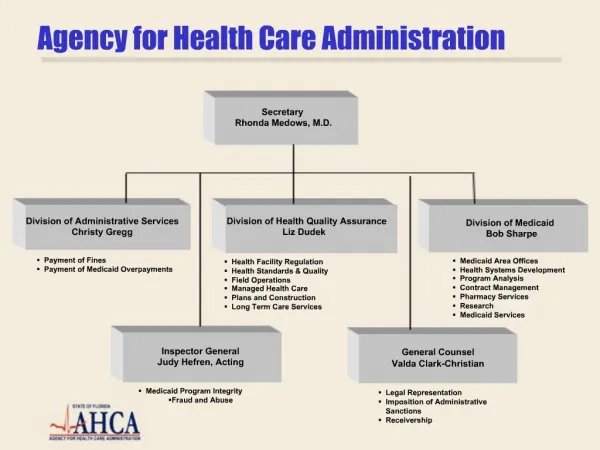
Department Organization How are police departments organized?
Organizing the Department Organizing by Personnel
Organizing by Personnel • Civil Service System – method of hiring and managing government employees • Designed to eliminate political influence, nepotism, bias • 1883 Pendleton Act – federal jobs • 95% of all gov’t employees covered • Difficult to fire employees How are police departments organized?
Organizing by Personnel • Quasi-Military organization • Strict lines of authority • Uniforms • Rank • Weapons • Authorized by law to use force • Different: • warriors vs. community figures • police limited by state & con law How are police departments organized?
Organizing by Personnel • Sworn vs. non-sworn (Civilian) • Sworn: peace officers • Under oath to uphold laws and constitution • Power to arrest under probable cause • Citizens arrest requires violation to happen in arrestors presence • Civilian: operators, dispatchers, payroll, technical jobs, lab workers How are police departments organized?
Organizing by Personnel • Rank Structure: • Peace Officer – patrol officer • Corporal – promotion, FTO • Sergeant – 1st supervisor, makes field decisions • Over squad (6-10 officers) • One per zone or per shift (size a factor) • Lieutenant – over all operations at time of shift, usually over platoon How are police departments organized?
Organizing by Personnel • Rank Structure: • Detective – has own rank structure but usually has rank over others at crime scene • Captain – over area of administration • Assistant Chief – in some depts. • Chief – Head of dept. • Usually appointed by mayor or selected by commissioners How are police departments organized?
Rank How are police departments organized?
Organizing by Personnel • Civilianization – process of of removing sworn officers from tasks and replacing them with civilians • Reduce costs • 25% of staff • Most jobs seen as punishment by officers • Parking tickets, past crime reports, some investigative functions (CSI) How are police departments organized?
Organizing by Personnel • Police Reserves/Auxiliaries • Part time - “summertime cops” • Sometimes not paid • Non-regular but sworn officer • Regular police powers • Some volunteers do not - retirees • A way to keep powers when no longer in regular position How are police departments organized?
Organizing the Department Organizing by Area
Organizing by Area • Beats/Posts – smallest • Foot, patrol units • Sectors/Zones – group of beats • Precincts – grouping of Zones • Mostly larger departments • Station House – one per precinct • Has jail, locker room, offices • Booking desk How are police departments organized?
Organizing the Department Organizing by Time
Organizing by Time • Three Tour System – three 8 hour shifts • Morning watch – 12-8am • Day watch – 8-4pm • Evening watch – 4-12am • Numerous variations – 12 hour shifts How are police departments organized?
Organizing by Time • Holidays are not assigned, it depends on the day assigned • Assigned, transfer available by seniority • Rotating tours – day – evening – morning • Fixed/Steady tours – stay same • Traditionally – cops were assigned in even #s • today many are assigned by need How are police departments organized?
Organizing the Department Wrap Up
Organizing the Department • All are methods are used to organize department • Every department is different How are police departments organized?
Post 9/11 Challenge & Change
New Age of Policing Post 9/11 • Traditionally terrorism and intelligence was a federal responsibility • Terrorism response is now a local expectation • Why do you think local is better? • Intelligence gathering is also a local priority • Terrorism is also FBI #1 priority How are police departments organized?
New Age of Policing Post 9/11 • Community Policing is also a part of the response – education, networks • Task forces and “boundaryless” policing seeks to streamline intelligence How are police departments organized?
Terrorist Goals • Mass causalities • Loss of critical resources • Disruption of vital services • Disruption of the economy • Individual and mass panic How are police departments organized?
Terrorist Weapons • Biological • Nuclear • Incendiary • Chemical • Explosive How are police departments organized?
Biological Weapons • Targets: People, animals, crops • Routes of exposure: Inhalation, ingestion, absorption Agents: • May take days or weeks to be confirmed. • May spread far beyond initial contamination point. • Considered high risk. How are police departments organized?
Nuclear Weapons • Much different than conventional weapons: • Many casualties • Very large area affected • Long-term health effects • Considered relatively low risk How are police departments organized?
Radiation Dispersal Devices • Conventional explosive with radioactive element • Radiological materials readily available • Considered moderate to high risk How are police departments organized?
Incendiary Devices • Used to initiate combustion • Easy to make • Easy to use • Considered high risk/low impact How are police departments organized?
Chemical Agents • Components readily available • Onset of symptoms from immediate to 18 hours • Considered moderate risk How are police departments organized?
Conventional Explosives • Terrorists “weapons of choice” • Can be: • Military munitions • Improvised explosive devices • Considered high risk How are police departments organized?
What Is the Risk? How are police departments organized?
B-NICE Indicators Environmental indicators: • Sick or dead animals, fish, or birds • Unscheduled spraying • Vapor clouds or mists • Absence of crops, wildlife, or insects How are police departments organized?
B-NICE Indicators Physical indicators: • Many casualties without signs of obvious trauma • Victims who are exhibiting similar symptoms • Large numbers seeking medical attention How are police departments organized?
Wind Direction “Cold Zone”Safe Area “Warm Zone”Evacuation & Decontamination Area “Hot Zone” Incident Contaminated Area Establishing Zones How are police departments organized?
Agency Administration How are police departments organized?
Dirty War Now What?
Dirty War Assignment • You are on the Mayors Crisis Team • You have 30 minutes to come up with a plan to respond to the situation in the movie • Write a summary of suggestions • Anticipate where your major problems are going to be! How are police departments organized?