Download
1 / 10
0 likes | 4 Vues
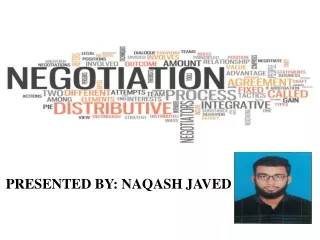
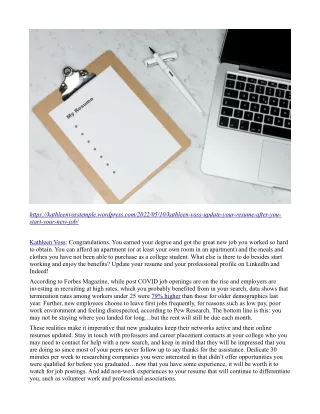
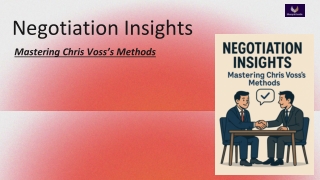
Negotiation insights from Chris Vossu2019s methods focus on understanding emotions, building trust, and guiding conversations effectively. Techniques like tactical empathy, mirroring, and calibrated questions help negotiators influence outcomes without pressure. Mastering these skills improves communication, strengthens relationships, and leads to better results in business and everyday negotiations.<br><br>https://sharpgentle.com/mastering-the-chris-voss-negotiation-style/

E N D
Mastering Chris Voss’s Methods Negotiation Insights
This presentation delves into the core concepts of Chris Voss Negotiation, highlighting his unique approach to negotiation as a former FBI hostage negotiator. We will explore his fundamental negotiation style and the key principles that make his techniques highly effective in business and personal interactions. Prepare to enhance your persuasive skills with proven strategies. Introduction
Chris Voss’s style centers on empathy and active listening to build rapport and trust. His approach values emotional intelligence to understand underlying needs and motives. By adapting to the conversation dynamically, negotiators can influence outcomes without aggressive tactics. This style aims for collaboration over confrontation. Understanding Chris Voss’s Negotiation Style
Core principles include tactical empathy, calibrated questions, and avoiding “yes” traps to encourage honest dialogue. Voss emphasizes the importance of preparation, patience, and controlling the conversation’s rhythm. Using these principles helps negotiators achieve win-win results and resolve conflicts efficiently. Key Principles of Effective Negotiation
Emotional intelligence is crucial in negotiation to recognize and manage emotions—both your own and those of others. Chris Voss emphasizes that understanding emotional cues helps in building trust and rapport. This awareness allows negotiators to respond effectively to opponents, creating an environment conducive to finding mutually beneficial solutions. Importance of Emotional Intelligence in Negotiation
Tactical empathy involves deliberately understanding the feelings and perspectives of your counterpart. By verbalizing this understanding, you diffuse tension and encourage openness. This technique helps negotiators to influence decisions subtly without confrontation, making it easier to steer negotiations toward favorable outcomes. Using Tactical Empathy
Mirroring is the skill of repeating the last few words your counterpart says. This encourages them to elaborate and provides valuable information. It also builds subconscious rapport and makes the other party feel heard and understood, increasing the chance of cooperation and trust in the negotiation process. Mastering the “Mirroring” Technique
The accusation audit involves pre-emptively addressing any negative assumptions your counterpart might have. By openly acknowledging potential criticisms, you disarm objections and lower resistance. This transparent approach facilitates honesty and helps keep discussions productive and focused on solutions. Employing the “Accusation Audit” Strategy
Chris Voss’s negotiation techniques emphasize empathy, strategic communication, and managing emotions effectively. Employing tactical empathy, mirroring, and accusation audits improves rapport, eases tension, and advances negotiations toward positive resolutions. These tools are essential for professionals seeking to enhance their negotiation outcomes in any context. Conclusions
Contact US: • Address: Grundstrasse 22B, 6343 Rotkreuz, Switzerland • Email: info@sharpgentle.com • Phone : +41 79 265 2240 • Linkedin: https://www.linkedin.com/company/sharp-gentle-llc/ • Instagram: https://www.instagram.com/sharpandgentle_/ • Facebook: https://www.facebook.com/sharpandgentlellc


![[PDF] Free Download The Lords Of Silence By Chris Wraight](https://cdn4.slideserve.com/7977053/slide1-dt.jpg)
![[PDF] Free Download Neil Gaiman's Likely Stories By Neil Gaiman, Mark Buckingham & Chris Blythe](https://cdn4.slideserve.com/8029693/slide1-dt.jpg)
![[PDF] Free Download Neil Gaiman's Likely Stories By Neil Gaiman, Mark Buckingham & Chris Blythe](https://cdn4.slideserve.com/8030153/slide1-dt.jpg)
![[PDF] Free Download The Malta Escape By Chris Kuzneski](https://cdn4.slideserve.com/8120568/slide1-dt.jpg)