Download
1 / 10
100 likes | 233 Vues
This presentation, led by Assistant Professor Pamela Hunt at the ADVANCE National Meeting (April 19-21, 2004), explores the essential role of networking in academia. Faculty members are encouraged to cultivate reciprocal professional relationships through informal interactions such as workshops and mixers. The session outlines the importance of context, community, and confidence in defining one’s academic identity and goals. It also addresses common obstacles to networking, including isolation and departmental climate, and introduces the Network-Friendly Mentoring Program as a means to enhance collaborative opportunities.

E N D
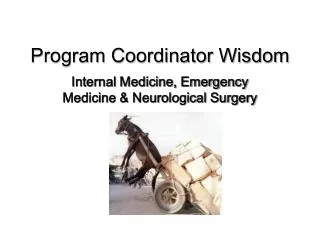
NETWORKING AND THE ASSISTANT PROFESSOR Pamela Hunt, Program Coordinator ADVANCE National Meeting, April 19-21, 2004
Networking is a natural process … • … through which faculty … • seek, build, and maintain • reciprocal professional relationships with social and professional contacts
We can help stimulate this process by … • … creating opportunities for informal interaction: • Workshops • Mixers
A successful faculty career … • … depends on the ability to clearly define one’s identity andgoals in relation to the identities and goals of others. To do this we need: • Context • Community • Confidence
Early Career Network Cornerstones • Doctoral/post-doc advisor • Departmental mentor (assigned) • Department Head • Departmental colleagues • Colleagues in related disciplines
A Teaching Network? • NMSU is a minority-serving institution • Many students are first-generation college students
Networking outside the institution • Professional Conferences • Research Institutes • Other Universities
Obstacles to networking • Isolation • Departmental climate • Personal issues • Cultural style
The Network-Friendly Mentoring Program • Casual contact through mixers • Inclusion of male faculty • Cross-departmental mentoring pairs • Mentor training • Department head training
The Network-Friendly Mentoring Program • Shared experiences • teach “rules of the game” • Safe environment for networking • builds confidence • Socialization • leads to collaboration