Exploring Native Tree Species: Key Characteristics and Benefits
This article delves into the rich diversity of native trees such as White Pine, Eastern Cottonwood, and Red Oak. Each species is examined for its unique characteristics, ecological importance, and benefits to local ecosystems. Discover the beauty of Sugar Maple, Yellowwood, and more while learning how these trees contribute to wildlife habitats, climate regulation, and soil health. With information on the American Chestnut, Black Willow, and Red Maple among others, this guide highlights the essential role these trees play in sustaining our environment.

Exploring Native Tree Species: Key Characteristics and Benefits
E N D
Presentation Transcript
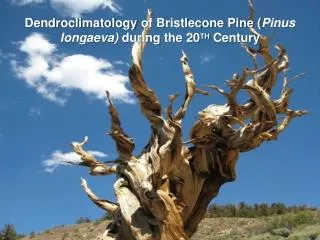
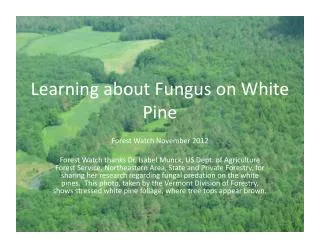
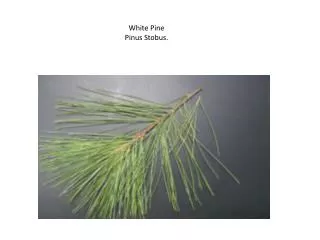
White Pine Pinus Stobus.
Eastern Cottonwood Populusdeltoides
American Chextnut Castaneadentata
Sugar Maple Acer Saccharum
Red Mulberry Morusrubra
Yellowwood Cladrastislutea
Striped Maple Acer Pensyvanicum
Alba Viola papilionacea
Black Willow Salix nigra
Silver Maple Acer Saccharium
White (paper) birch Betula papyrifera
Red Maple Acer rubrum
Yellow Birch Berula allegahaniensis
Red Oak Quercusrubra