Download

1 / 7
70 likes | 174 Vues
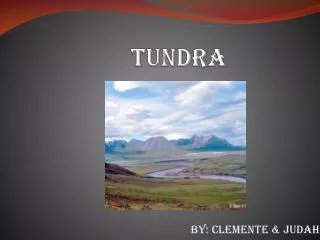
The tundra biome is characterized by its extremely cold and dry environment. Located in the Arctic, it experiences a harsh climate with constant winds. During the brief summer, the top layer of soil thaws, allowing for limited plant growth. Notable plant species include Arctic moss and the diamond Arctic willow, while animals such as Arctic foxes and polar bears thrive here. Adaptations are crucial for survival; plants grow short due to limited soil, and animals develop thick fur coats to withstand the frigid temperatures. This unique ecosystem showcases the intricate relationships between biotic and abiotic components.

E N D
Tundra Biome Research By: Kaylee Johnson
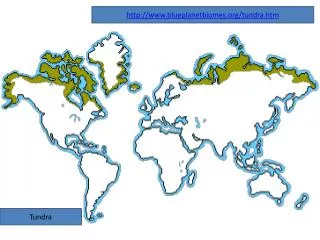
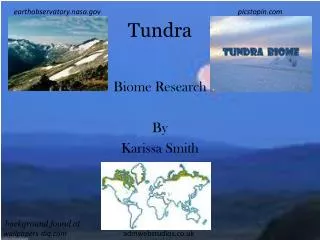
Name of BiomeGeography & Climate • Location: Arctic. • Description: Very Cold And Dry! • Soil Type: During the short summer the top layer of soil may thaw just long enough to grow plants. • Temperature Range: -18(-28),-9454,37,60. • Climate: Cold though all months, wind blows constantly ,whipping around the small plants.
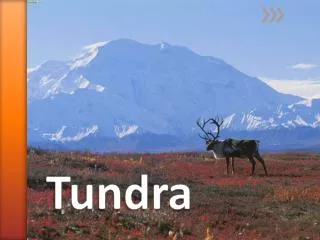
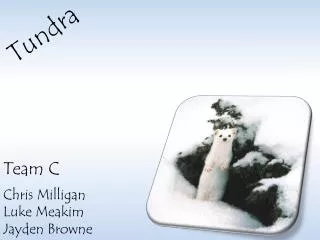
Name of BiomeBiodiversity • Plant species: Callieraon giganteum, Arctic Moss, Diamond Arctic willow, Bear berry. • Animals species: Arctic fox, Caribou, Ermine, Grizzly bear, Harlequin duck, Musk ox, Polar bear, Snowy owl.
Name of BiomeAdaptations Needed for Survival • Planets Adaptations: The grow short, because there is not a lot of soil, the ice usually covers the top of the ground so the cant grow. • Animals Adaptations: They have to adapt to the cold to live. They all grow really thick coats of fur so they wont be cold!
What is Biodiversity? • Type in your information and you may add a few pictures to your slide
How does biodiversity contribute to the sustainability of an ecosystem? • Use the handout given in class to answer the above question • Type your answer here