Introduction to Orthopedic Implants
Orthopedic implants have quietly transformed millions of lives across the globe, often without much fanfare. Imagine trying to walk with a shattered hip, lift your arm after a severe fracture, or live pain-free with worn-out knee cartilage. Sounds exhausting, right? This is where orthopedic implants step in like unsung heroes, restoring movement, stability, and confidence. At their core, orthopedic implants are medical devices surgically placed to replace, support, or enhance damaged bones and joints. They don’t just fix bones—they rebuild independence. The importance of orthopedic implants in modern medicine cannot be overstated. With rising life expectancy, sedentary lifestyles, sports injuries, and road accidents becoming more common, the demand for orthopedic solutions has skyrocketed. These implants help patients return to their daily routines, whether that means walking the dog, playing with grandchildren, or simply standing without pain. From trauma care to degenerative diseases, orthopedic implants serve as reliable allies in recovery. Historically, orthopedic interventions were crude and limited. Early civilizations used wooden splints, leather straps, and metal braces. Fast forward to today, and we now have precision-engineered implants crafted from biocompatible materials designed to integrate seamlessly with the human body. The journey from basic bone-setting to advanced joint replacement reflects the remarkable evolution of medical science. Orthopedic implants are no longer just mechanical supports—they are carefully engineered solutions tailored to human anatomy and lifestyle needs.
Orthopedic Implant Manufacturing Process
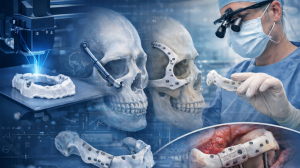
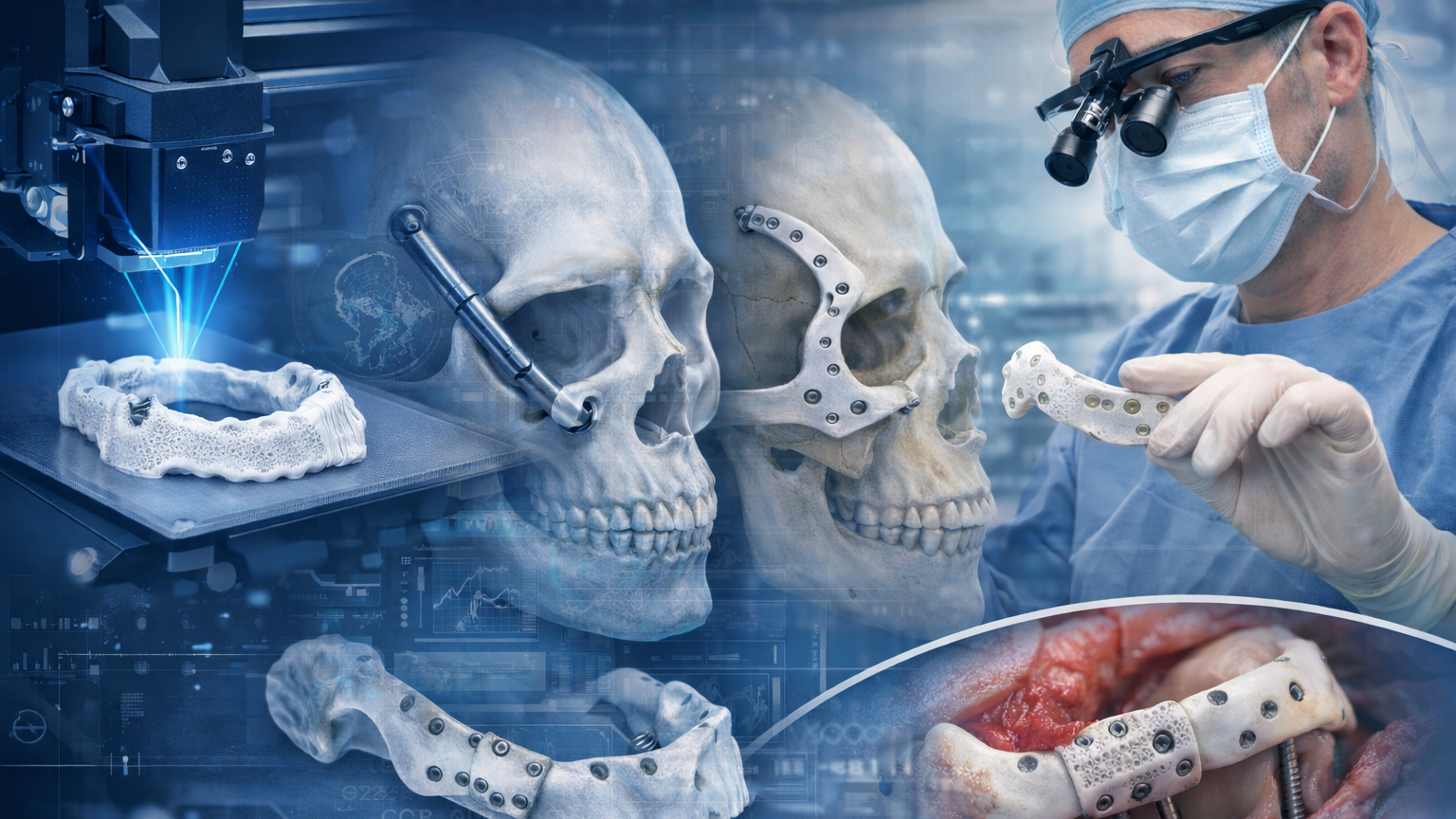
Once an implant is designed, the manufacturing process begins—a journey that demands absolute precision and zero compromise. At Curewith3D, manufacturing orthopedic implants is not just production; it’s craftsmanship guided by technology. The process starts with selecting high-grade biocompatible materials, ensuring strength, durability, and long-term safety inside the human body. Using state-of-the-art 3D metal printing, Curewith3D builds implants layer by layer, achieving unparalleled accuracy. This method allows for intricate internal structures that enhance bone integration and reduce implant weight. Traditional machining can’t compete with this level of detail. After printing, each implant undergoes rigorous finishing processes to smooth surfaces, refine edges, and ensure optimal performance. Quality control is non-negotiable. Every implant produced by Curewith3D is subjected to extensive mechanical testing, fatigue analysis, and dimensional verification. Sterilization protocols follow international medical standards to eliminate any risk of infection. Regulatory approvals from global health authorities ensure that each implant meets strict safety and performance criteria. What truly sets Curewith3D apart is its commitment to innovation and patient outcomes. By combining rapid prototyping with real-time feedback from orthopedic surgeons, the brand continuously refines its designs. This agile manufacturing approach reduces lead times and allows faster delivery of life-changing solutions to patients worldwide.
Surgical Procedures Involving Orthopedic Implants
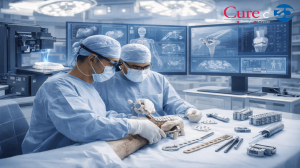
Surgery involving orthopedic implants is a carefully orchestrated process that begins long before the patient enters the operating room. Pre-surgical planning plays a crucial role, especially when working with customized implants from Curewith3D. Surgeons use digital models and surgical guides created through 3D planning to visualize the procedure step by step. During surgery, precision is everything. Customized implants from Curewith3D fit seamlessly, reducing the need for extensive bone reshaping. This not only shortens surgery time but also minimizes blood loss and trauma to surrounding tissues. Surgeons often report improved confidence and accuracy when working with patient-specific implants. Post-surgical protocols are equally important. Proper placement ensures stability, while modern implant surfaces promote faster bone integration. Curewith3D implants are designed to work in harmony with the body, allowing earlier mobilization and quicker rehabilitation. For patients, this often means less pain, shorter hospital stays, and faster returns to daily life.