Download
1 / 5
50 likes | 175 Vues
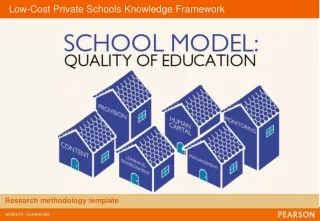
This framework provides a comprehensive analysis of low-cost private schools (LCPS), focusing on essential areas such as growth models, risk management, and stakeholder relationships. It examines the reach and geographical dispersion of LCPS, assessing the current size and growth trends, as well as the establishment and closure of schools. The framework also explores the dynamics between LCPS and local governments, donors, and the community, addressing perceptions, support, and compliance with regulations. Key risks, including corruption and government acceptance, are fundamental to managing and ensuring the sustainability of these educational institutions.

E N D
Low-Cost Private Schools Knowledge Framework Research methodology template
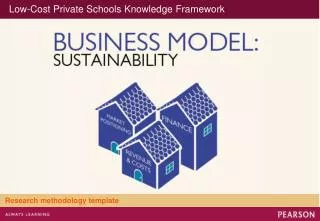
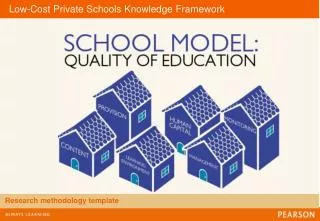
Low-Cost Private Schools Knowledge Framework Growth Model: Scalable • 12 Risks • Risk management • Anti-corruption • Government acceptance • 10 Reach • Size / Growth • Targeting / geographical dispersion • Opening / closing schools • 11 Relationships • Government • Donors • Community
Low-Cost Private Schools Knowledge Framework | Growth model 10. REACH • 10A Current size / growth • How many schools exist? • How many students are reached? • How many schools were established in each of the past three years? • How has the size of each school changed in each of the past three years? • How is consistency assured across all schools? • How is the scale compared to a regional/national level? • What are the growth plans? • 10B Targeting / Geographical dispersion • How close geographically are schools/clusters? • How widespread is the chain? • 10C Opening / closing schools • How are new schools established? • How are underperforming schools closed? • How are parents informed if a school is going to close?
Low-Cost Private Schools Knowledge Framework | Growth model 11. RELATIONSHIPS • 11A Government • What relationship does the LCPS chain have with the government? • What is the government's perception of the LCPS chain (eg. are they receptive or hostile)? • Does the government provide support to the LCPS chain? • What level of regulation is applied to the LCPS? • 11B Donors • What relationship does the LCPS chain have with donors? • What are donors’ perceptions of the LCPS chain? • Do donors provide support to the LCPS chain? • How often does management communicate with donors? • What percentage of operating costs come from donors? • 11C Community • How do the public view the chain of LCPS? • How do the public view the teachers and principal? Are they respected in the community? • Do the public believe the LCPS chain provides quality education?
Low-Cost Private Schools Knowledge Framework | Growth model 12. RISK • 12C Government acceptance • Does government accept the idea of low-cost private schools generally? • Does government have regulations in place to formally recognize private school chains? • Does the chain comply with government regulations? • 12A Risk management • How are risks identified and managed? • 12B Anti-corruption • How much of an issue is corruption for the staff of the LCPS chain? • How does external corruption affect the LCPS chain? • What anti-corruption measures are in place?