Preparing for DDoS Attacks: Strategies for Effective CSOs
In the face of increasing cyber threats, understanding and preparing for DDoS attacks is crucial for Chief Security Officers (CSOs). This guide explores effective strategies for DDoS mitigation, emphasizing the importance of planning, preparation, and communication. It highlights typical attack types - such as volumetric and application-layer attacks - alongside case studies from financial institutions. The focus lies on evolving from reactive approaches to proactive, tactical solutions and leveraging existing technologies, expert relationships, and training to ensure business continuity and brand protection.


Preparing for DDoS Attacks: Strategies for Effective CSOs
E N D
Presentation Transcript
How Effective CSOs Prepare for DDoS Attacks Rob Kraus & Jeremy Scott Solutionary SERT
Speakers Rob Kraus Jeremy Scott Senior Research Analyst Twitter: @jeremyscott_org • Director of Research • Twitter: @robkraus Solutionary, Inc. (Twitter: @solutionary) Security Engineering Research Team (SERT)
Countering Attacks Hiding In Denial-Of-Service Smokescreens -Dark Reading, September 2013 What’s better than creating your own DDoS? Renting one -TechRepublic, September 2013 Cybercrooks use DDoS attacks to mask theft of banks' millions -CNET.com, August 2013 DDoS Botnet Now Can Detect Denial-Of-Service Defenses -Dark Reading, August 2013 DDoS Attacks Strike Three Banks -Bank Info Security, August 2013
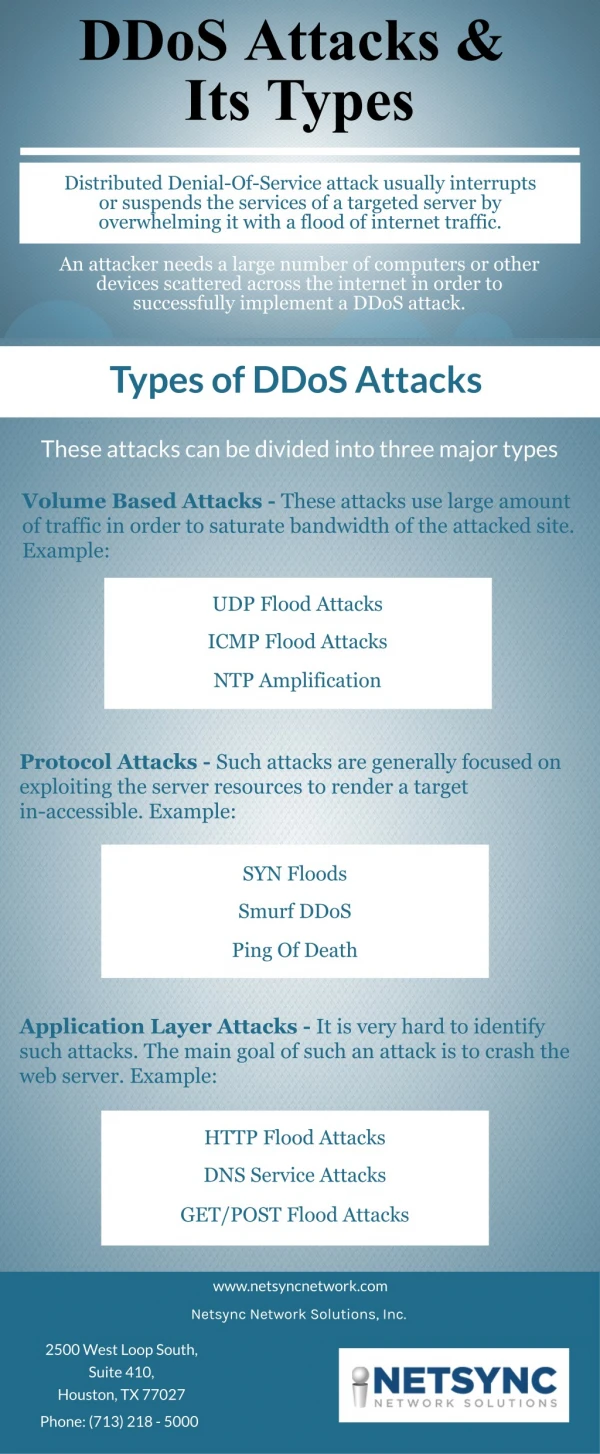
DDoS Varieties • Every DDoS is different • Attack types/target infrastructure/services • Tools (booters, stressers, DDoS for rent) • Examples: • Volumetric • SYN Flood (TCP protocol) • DNS Amplification (reflection) • HTTP Application Attacks
Application Layer DDoS • Targets applications • Effective due to underlying components serving content • Logon pages • “Heavy” content pages • Complex database queries • Max connections exceeded
Case Study #1 • Mid-sized financial institution • Targeted application DDoS • Over 30,000 attack sources • Attack duration 30 minutes Attacked 8 times in 2012
Case Study #2 • Large financial institution • Over 91,000 attack sources (150 countries) • Attack duration: 10.5 hours • Bandwidth Consumption DDoS • Masked 3 unauthorized ACH transfers totaling 4.2 million dollars
Other DDoS Considerations • Is your organization the target…or the source? • Monitor internal and external bandwidth • Visibility is key • Monitor appropriate parts of infrastructure • Consider SSL termination points
“Everyone has a plan until they get punched in the face.” -Mike Tyson Planning
IR Roles & Responsibilities • Planning • Preparation • Testing plan effectiveness • Monitor intelligence feeds • Communication • Manage incidents
DDoS Response Goals • “Stop” vs. Mitigate • Goal #1 Detect the attack in a timely manner • Goal #2 Enable reactive controls • Goal #3 Achieve “Sustained Availability” • Goal #4 Recovery and review
Defense Maturity Basic Controls Advanced Controls
Poor CSO Approach • Rely on others to understand the risk • Unaware of the organizations capabilities to thwart attacks • Expect results even after no prior planning • Scramble for budget during the attack • Don’t consider attacks a part of delivering business
Effective CSO Approach • Think in terms of “tactical” and “strategic” solutions • Understand: • threat, risk, vulnerabilities, loss potential • it isa matter of “when”, not “if” • the goal is not to stop, but mitigate • not all DDoS can be mitigated, but still try • “rolling your own” solution is not always the best choice • Sponsor and participate in IR plan development
Effective CSO Approach • Embrace and leverage relationships • ISP • Vendors - subject Matter expert support contracts • Conduct test exercises to determine plan effectiveness • Leverage existing technologies • Plan and allocate budgets • Training • External IR support • Mitigation services
Benefits of Being Effective • Compress the mitigation timeline • Reduce overall impact • Loss of productivity • Loss of availability (loss of revenue) • SLA penalties • Legal costs • Protecting your brand
References • RFC 4987 - Syn Flood Attack and Mitigation • Solutionary – 7 Steps to DDoS Protection • Solutionary – 2013 Global Threat Intelligence Report (GTIR)