Human System
Dive into the complexities of the human body with a focus on the respiratory and circulatory systems. This guide explores how various organs, like the lungs and heart, work together to deliver oxygen and nutrients essential for energy production during exercise. Learn about the role of mitochondria in converting glucose and oxygen into ATP, the energy currency of cells. We'll also dissect the connections between organ systems and their subsystems, illustrating the fascinating interplay that keeps our bodies functioning optimally.

Human System
E N D
Presentation Transcript
Human System Do Now
Do Now # 1 pg. 31 • What organs make up the respiratory system? • Is an organ a system? Why or why not? • List 4 things that happen to your body when you exercise.
Do Now # 2 Pg. 31 • Give an example of a subsystem of the circulatory system. • How is the human body like a cell? • Arrange from simple to most complex: Earth, human population, tissues, molecule, Universe, organelle, galaxy, solar system, Organ system (ex. digestive system), atoms, Organism (ex. human), Cells, Organ
Atom, molecule, organelle, cell, tissue, organ, organ system , organism(human), human population, earth, solar system, galaxy, universe.
Do Now # 3 New Page 35 • What happens to your heart rate when you exercise? • Why do you think this happens to your heart? • What role does the circulatory system play in getting oxygen and glucose to your cells? • What changes oxygen and glucose into ATP?
Do Now # 3 Answers Part I • Your heart rate increases when you exercise. • You heart rate increases becasue your body needs more energy(ATP). In order to get more energy the circulatory needs to deliver more nutrients and oxygen to the mitochondria so your heart has to pump faster to deliver it faster. • What role does the circulatory system play in getting oxygen and glucose to your cells? • What changes oxygen and glucose into ATP?
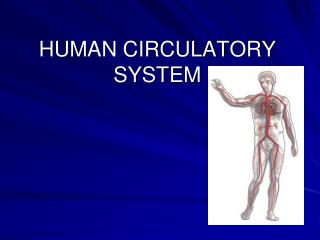
Do Now # 3 Answers Part II C. The circulatory system delivers the glucose and oxygen to the cells. The blood cells are the “cars” and the veins and arteries are the “streets”. D. Mitochondria in every cell changes oxygen and glucose into ATP?
Do Now # 4 Page 35 • What are the 2 things that your mitochondria need in order to produce ATP? • Why does your heart need to beat faster when you exercise? • How does the food you eat get into the bloodstream? • Once the food (glucose) is in the blood stream where does it go and what is it used for?