The Evolution and Convenience of USB Drives: Essential Storage for Personal Files
USB drives, invented in the late 1980s, are compact, portable devices designed for transporting and storing personal files such as documents, pictures, and videos. With sizes ranging from 4GB to over 1TB, they have largely replaced floppy disks and CDs due to their reliability and advanced technology. Major manufacturers include Kingston, SanDisk, and PNY Technologies. USB drives offer ease of use with simple insertion and removal, making them essential tools in disaster prep and everyday digital storage needs.

The Evolution and Convenience of USB Drives: Essential Storage for Personal Files
E N D
Presentation Transcript
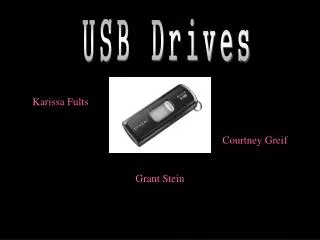
USB Drives Karissa Fults Courtney Greif Grant Stein
USB Drive • A simple device • Transport and store personal files • Invented in late 1980’s • Comes in different sizes and brands • Can be easily inserted and removed
Purpose • Transport and store personal files such as documents, pictures and videos. • Disaster preparation, so work is not lost. • They can be compared to a • floppy disk, but are more • reliable and advanced.
USB invented 1988 History Small and compact; fits in your pocket Portable Memory Devices of the Past: • The Floppy Disk • The CD Bigger and less memory
Who Manufactures it? • PNY Technologies: Attaché • SanDisk • Toshiba • Dell Flash Memory Cards by SanDisk • Opel Tech USB drive, also by SanDisk • Kingston Technology • Most modern technology suppliers and producers.
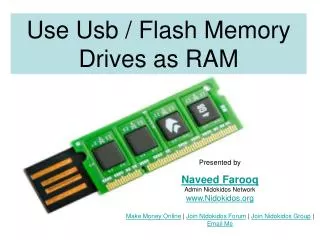
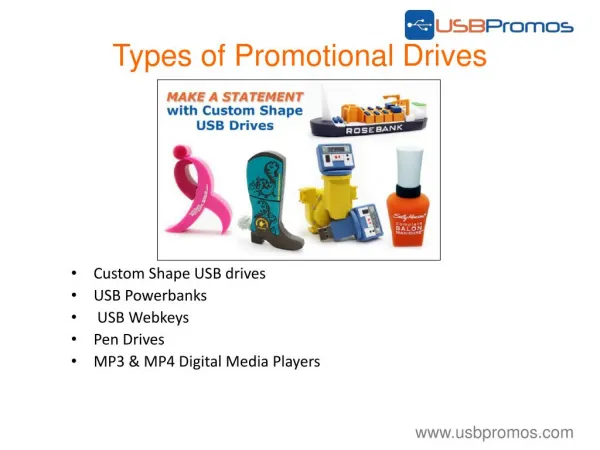
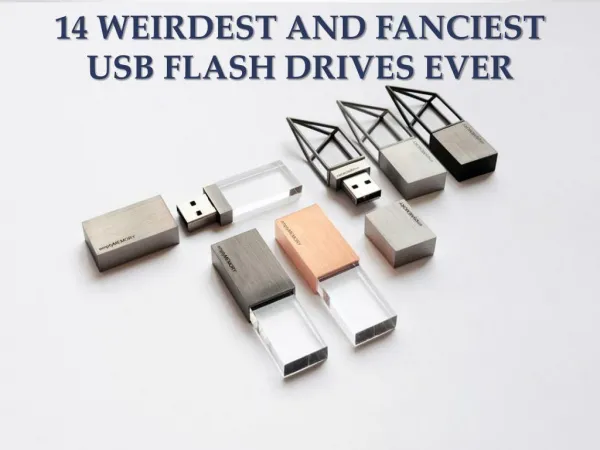
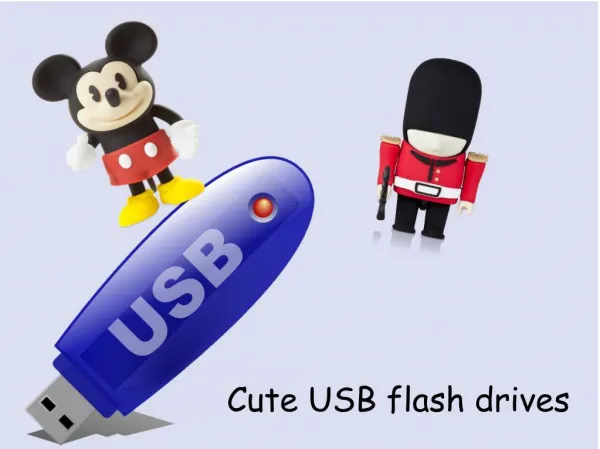
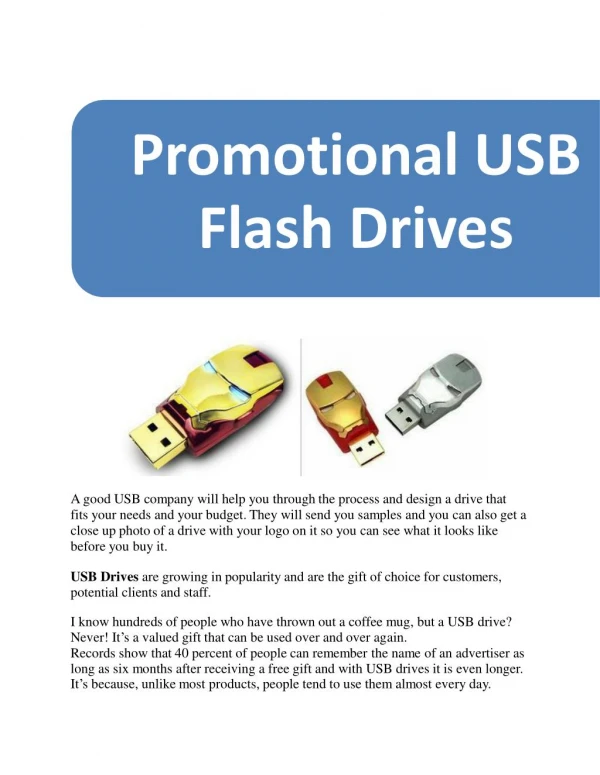
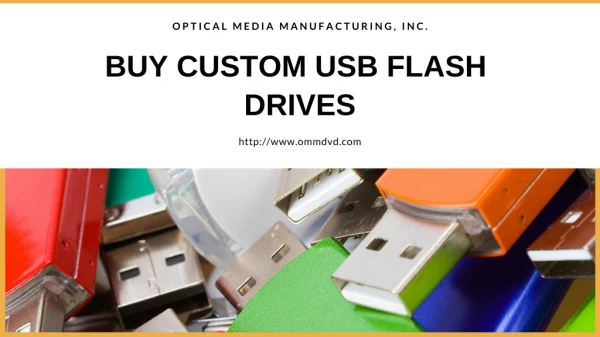
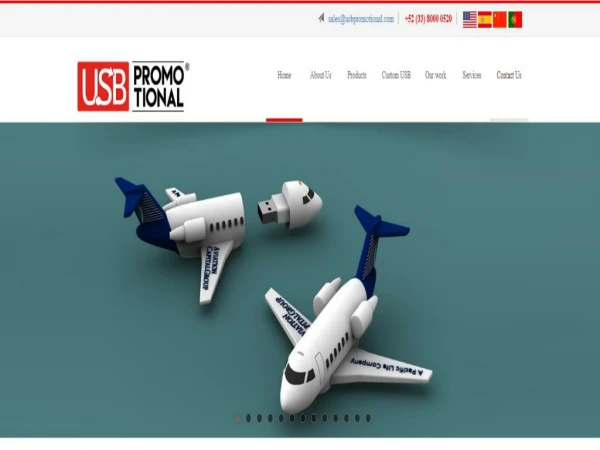
Different Types • Strongest when they can hold 8 MG to more than 1 GB of data. • Recently popular are novelty USB cases, such as toy cars or LEGO blocks, or ones made to fit with pens, key chains, Swiss army knives, etc. • The usual essentials for a USB drive are • 1. A male-type USB connector, • 2. A USB mass storage controller, • 3. a NAND flash memory chip, • 4. A crystal oscillator, and • 5. A type of FAT file system.
What to Look for when buying a USB Drive • Comes in different sizes and brands • Most common sizes are: 4GB, 8GB, 16GB, 32GB • Trusted brands: Kingston, SanDisk, Attachè
How to Install a USB Drive • Look for the USB port on side of Computer • Insert the Drive in this spot • Can be easily inserted and removed
Conclusion: • An easy-to-use, convenient device • Easy to put in and take out • Different brands and sizes • Transports and stores important personal files • Strongest when they can hold 8 MG to more than 1 GB of data. • invented 1988 • Made to replace CD’s and Floppy Discs
References http://en.wikipedia.org/wiki/USB_flash_drive http://en.wikipedia.org/wiki/USB http://www.our-picks.com/wp-content/uploads/2007/08/cruzer_usb_drive.gif http://www.writingresource.ca/cd_floppydsksiii.JPG http://www.ibm.com/developerworks/power/library/pa-spec7.html http://www.rpe4usb.com/invented_usb_flash_drives.html http://www.rpe4usb.com/history_of_flash_drives.html http://www.tryusbdevices.com/