The Vedic Age: Caste System, Religions, and Empires of India & Southeast Asia
60 likes | 177 Vues
The Vedic Age marked a significant era in India and Southeast Asia, characterized by the emergence of a complex caste system, defined by four main varnas: Brahmins, Kshatriyas, Vaishyas, and Shudras, with Jati as subdivisions. The period saw the rise of major religions like Jainism, founded by Mahavira, and Buddhism, established by Siddhartha Gautama. The Mauryan and Gupta Empires thrived during this age, contributing to political unity and cultural development. The region also experienced agricultural advancements and trade, with significant interactions across Southeast Asia.


The Vedic Age: Caste System, Religions, and Empires of India & Southeast Asia
E N D
Presentation Transcript
The Vedic Age • Aryasv.Dasas • Varna Class Structure = • Brahmin (Priests/Scholars) • Kshatriya (Warriors) • Varshya (Merchants) • Shudra (Peasant/Laborers) • Untouchables (Demeaning work) • Jati = Subdivision of the 4 main Varna (Caste) • Rules (Jobs, duties, interaction among Jati groups) • Religion / Role of Women • Worship via sacrafice • Study, participate in rituals, own property
Jainism, Buddhism & Hinduism • Formed by monopoly of the Brahmins • Jainism • Founded: Mahavira • Nonviolence to all living things • Buddhism • Founder: Siddhartha Gautama • The Four Noble Truths / Eightfold Path to Enlightenment • 2 Sects = Mahayana (new) & Theraveda(old) • Hinduism • Reformed Vedic Religion • Devotion to the gods (Vishnu, Shiva, & Devi) = 1 Divine Force • Puja & Pilgrimage (Ganges river) • Dominant Religion
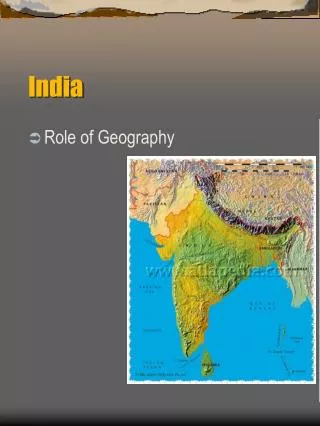
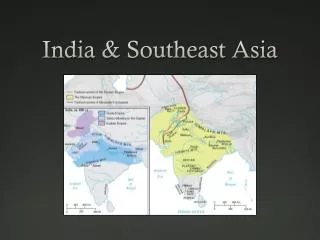
The Mauryan Empire 324-184 BCE • Formed from Kingdom of Magadha • Strategic Geographic Location • Agricultural & Iron Resources • Mauryan Government • Capitol: Pataliputra • Large Army • 25% Agricultural Tax • State Monopolies (mines, ships, weapons) • Notable Leaders • Founder: Chandragupta • Ashoka = Buddhism state adopted religion (Buddhist empire!) • Era of Political Fragmentation • Economic & Cultural Development • North = Guilds / Deccan State • Central = Religious authority / Urbanization • South = Artistic / 3 kingdoms
The Gupta Empire 320-550 CE • Magadha Kingdom…again • Controlled Central & Northern India • Copied Mauryan Govt. Structure • Except: Weak military & theatre-state • Gupta Culture • Trade with SE Asia • Literacy / Mathematics Arabic numerals & concept of zero • Women = No right to own land, treated like Shudra, married young, social status determined treatment • Religion = Hinduism / Tolerant • Collapse = Military Spending (Huns) • Southern India • Warrior Kingdoms (Pallavas & Cholas)
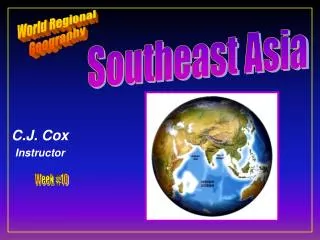
Southeast Asia 50-1025 CE • 3 Geographic Zones • Indochina Mainland • Malay Peninsula • Islands • Natural Resources & Agriculture • Fertile soil / Several Growing Seasons • Domestic Animals / Agricultural Products • Swidden = Slash & Burn agriculture • Migrations • Malay peoples from Southern China • First Major State = Funan • 1st thru 6th Century • Mekong Delta