Reducing Voter Wait Times: Insights and Recommendations from Election Day
130 likes | 264 Vues
This report examines voter wait times on Election Day, highlighting data from a 2012 survey involving 10,200 registered voters. Notably, one-third reported no wait, with an average wait of 13 minutes. However, states like Florida and D.C. saw waits of up to 44 minutes and 34 minutes, respectively. Acknowledging that no voter should wait more than one hour, the report explores causes of long lines, such as check-in processes and equipment issues. It recommends using technology for better management, comprehensive training for poll workers, and improving polling place logistics to enhance voter experience.


Reducing Voter Wait Times: Insights and Recommendations from Election Day
E N D
Presentation Transcript
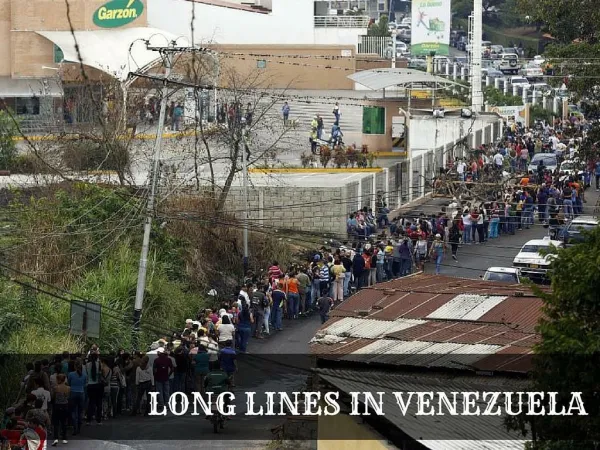
Long Lines at Polling Places Presidential Commission on Election Administration Philadelphia, PA September 2013
Voter’s Eye View of Election Day 2012 • Interviewed 10,200 registered voters • 1/3 of voters reported NO WAIT • Average wait time – 13 minutes • Florida – 44 minutes • D.C. – 34 minutes • Maryland – 32 minutes • Virginia – 27 minutes • South Carolina – 27 minutes
What is an acceptable wait time? • SIMPLE Voting Act • No voter should be forced to wait in line to vote more than one hour
Where do we start? • Following an election: • Survey poll workers • Talk to county election officials • Review data • Audit data from voting machines • Audit data from electronic poll books • Consider voter input received on election day
What causes long lines? Check-in ProcessHigh Turnout Voting Equipment Long Ballots Poll Books Training Lack of Signage Provisional Ballots Rush Hour Voting Poll Workers Polling Place Layout AdministrationCurbside VotingPrecinct Size InefficienciesPhoto ID Lack of Resources Election Day Registration Address Changes
Voter Check-in • Voter registration database problems • Polling place not adequately staffed • First-time voters showing ID • Voters not on list/wrong precinct • Voters without photo ID • Same day registration
Voting Process • Long ballots • Voters not familiar with ballot – candidates and questions • Voters not familiar with voting machines or equipment • Voters waiting on curbside or ADA machine
Polling Place Technologies • Not enough voting machines/booths • Voting machine(s) not working • Electronic poll book issues at check-in • Not enough electronic poll books • Technology confusing to poll managers
Poll Workers • Not enough poll workers • Inadequate training of poll workers • Lack of training documentation or reference manuals • Late arrival or no shows • Highly technical process performed infrequently
Polling Place/Precinct • Changing polling place locations • Fewer or consolidated polling places • Problems getting access to precinct to set up • Poor polling place layout/flow • Lack of organization • Insufficient signage • Poor queue management • High turnout
What can we do? • Address precinct size, number of poll managers per precinct and number of voting machines/equipment • Study audit data from voting systems and electronic poll books • Conduct time and motion studies • Queue management theories • Voter education
What can we do? • Leverage technology • Use of electronic poll book technology • Technology can instantly check whether someone has already voted and present the voter with the proper ballot • Use of polling place ‘wait time’ systems • Utilize a problem resolution table at polling place • Effective ballot design techniques
Recommendations • Establish guidelines; allow for flexibility • Provide for alternative voting methods: • Early voting • Vote centers • Explore new voting technologies (personal electronic devices) • Provide adequate resources