Understanding Pediatric Behavioral Insomnia: Causes, Evaluation, and Treatment Strategies
90 likes | 261 Vues
Pediatric behavioral insomnia affects 10%-25% of children over 6 months old, causing difficulties with sleep initiation, duration, and quality despite adequate opportunities for rest. This can lead to significant daytime functional impairments for both child and family. Evaluating pediatric insomnia involves sleep histories, diaries, and possible studies like polysomnography. Treatment includes behavioral strategies, sleep hygiene, and sometimes medication after professional consultation. Awareness of red flags, such as extreme restlessness or associated mental health issues, is crucial for timely intervention.


Understanding Pediatric Behavioral Insomnia: Causes, Evaluation, and Treatment Strategies
E N D
Presentation Transcript
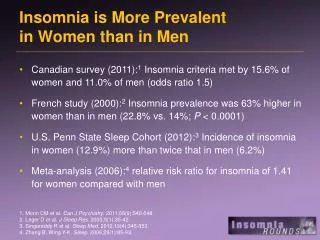
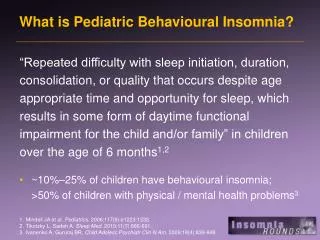
“Repeated difficulty with sleep initiation, duration, consolidation, or quality that occurs despite age appropriate time and opportunity for sleep, which results in some form of daytime functional impairment for the child and/or family” in children over the age of 6 months1,2 What is Pediatric Behavioural Insomnia? • ~10%–25% of children have behavioural insomnia; >50% of children with physical / mental health problems3 Mindell JA et al. Pediatrics. 2006;117(6):e1223-1232. Tikotzky L, Sadeh A. Sleep Med. 2010;11(7):686-691. IvanenkoA, Gururaj BR. Child AdolescPsychiatrClin N Am. 2009;18(4):839-848.
Average Sleep Needs Weiss SK. Better Sleep for your Baby and Child. Toronto (ON): Robert Rose Inc; 2006.
Clinical examination • Sleep history • Physical examination • Parent- or patient-reported sleep questionnaires • Sleep diaries • Overnight sleep study (polysomnography) • Actigraphy How is Pediatric Insomnia Evaluated?
Staged Approach to the Treatment of BehaviouralInsomnia 4. Medication (after consultation with pediatrician or sleep specialist) 3. Specific Behavioural Strategies 2. Sleep Hygiene & Bedtime Routines 1. Parental Beliefs & Sleep Education Reid GJ et al. Journal Sleep Res. 2009;18(1):49-59.
Refer for further sleep evaluation if: • Loud nightly snoring or breathing difficulties at night • Symptoms of mental health disorder • Extreme restlessness or repeated unusual movements in sleep • Significant daytime behaviour disorder in addition to behavioural insomnia • Insomnia in child with mental health and/or physical health comorbidity that does not respond to behavioural treatment • Insomnia leading to school failure or academic difficulties • Excessive daytime sleepiness from insomnia Red Flags