Essential Steps in Data Analysis: From Data Collection to Visualization
Data analysis is a critical step in scientific research, as improper analysis can lead to wasted resources, potential injuries, and misguided findings. This guide explores various types of data analysis, including how to format collected data for databases, display event frequencies, identify patterns, and apply quality control measures. Learn how to effectively showcase trends and relationships between variables using tools like XY plots, bar graphs, and pie charts. Finally, create a survey and develop your own data table to practice these essential analysis skills.


Essential Steps in Data Analysis: From Data Collection to Visualization
E N D
Presentation Transcript
Data Analysis • Most critical step in science • Improper analysis can: • Waste time • Waste money • Result in potential injuries • Cause research to move in the wrong direction
Types of Data Analysis • Uses • Formatting collected data for input into spreadsheets or databases • Showing frequency of events • Look for patterns in data • Compare & Contrast data • Quality Control & Quality Assurance of Data Tables
Types of Data Analysis • Uses • Showing trends • Showing relationships between 2 or more variables • Developing equations to predict future events X Y Plots (Line Graphs)
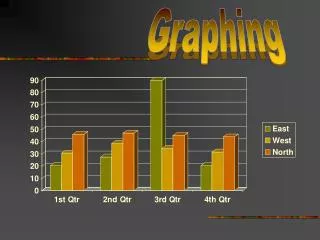
Types of Data Analysis Bar Graphs • Uses • Comparing amounts • Comparing changes over time • Plotting averages of data collected at different times • Plotting statistical data
Types of Data Analysis • Uses • Showing how the parts compare to the whole Pie Charts
Now its Your turn! • In your Comp Book Make an index of your first page. On one of the first lines write “Graphing assignment”. • Create a survey • Develop a data table from your results - Title, headings, straight lines • Make a BAR graph using your data - Title, labeled axes (X,Y), straight lines. 5. Complete both “Activities” on page. 793 Red text.