Download

1 / 23
230 likes | 339 Vues
This analysis reflects on unhealthy eating patterns dominated by processed carbohydrates, leading to weight gain and fatigue. It emphasizes the importance of incorporating more proteins, fruits, and vegetables while exercising regularly. By shifting to healthier food options and families engaging in physical activities together, significant lifestyle changes can be achieved. Over 44 days, a weight loss from 193 to 178 pounds was recorded, highlighting the effectiveness of maintaining these new habits for long-term health benefits.

E N D
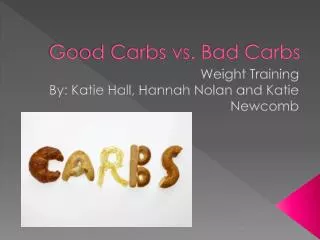
Problem Definition • Too many meals and snacks consisting primarily of processed carbohydrates • Too few meals and snacks consisting of proteins, fruits, and vegetables • Exercising too infrequently: 1- 2 times per week • Need to exercise 4-5 times per week
Problem Definition continued…... • Eating carbohydrate laden meals leads to weight gain especially when regular cardiovascular exercise is not incorporated into my routines. • Eating large carbohydrate meals leads to fatigue after eating.
What's So Junky About 'Junk' Food? • Many snacks, such as potato chips, fast-food cheeseburgers, and fries, have high levels of fat, sugar or salt. • Most of these are made using saturated fat, which comes from animal products, hydrogenated vegetable oils and tropical oils -- coconut and palm -- providing smaller amounts. Only animal fat provides cholesterol.
Why eating Large quantities of processed carbohydrates is unhealthy • Processed carbohydrates (sugars, most breads and pastas, snack foods, etc.) when consumed quickly elevate insulin levels and lead to the conversion of carbohydrates into fat. • Increasing incidence of diabetes may be related to the increased consumption of processed carbohydrates.
Problem Identification • “Healthy food” not easily available because it is not in the house or “good” foods are noteasily available • Cravings for junk food • Studying, errands or children sometimes a barrier to exercising • Sometimes feel lazy and just won’t exercise
Changes to the Environment / System to create change • When shopping, purchase large quantities of “healthy foods.” • Prepare large quantities of “healthy food” so it will always be available • Minimize the amount of junk food in house to a level where others in household will just be satisfied • Involve exercise in the faimily’s activities
Personal Changes • Exercise when a study break is needed • Set up racquetball dates- enjoyable experiences that I will not want to miss • Walk children to school instead of driving them
Changes adopted • All of the suggested changes were initiated. • Executed over a period of 44 days starting from September 5th to October 18th, 2002. • Two variables were measured; “Days with exercise” and “Days of eating Healthy.” • The data was analyzed using “Time in between charts”.
Results • My Weight quickly dropped from 193 pounds to my 183 pounds where I hit a plateau. This may be due to my workouts getting shorter in duration than when I started taking measurements. Although I stopped daily monitoring of exercise and eating habits, my weight dropped to 178 by November 25.
Analysis • The one failure above the UCL on the “Eating Well” control chart is statistically significant suggesting a return to poor habits. • The rest of the failures below the “Upper Control Limit” are statistically insignificant and only suggest relapses.
Analysis • Though initially there was not much of a success or break in the habit, in course of time the habit changed. • This project of personal improvement is a success both physically and statistically.
Future Course Of Action • Maintain current eating program • When target weight is obtained, begin to add more carbohydrates to diet to maintain weight • Maintain exercise routines, especially when other parts of life change • Find new ways to exercise with children- bike riding, swimming, ping-pong.