The Ideological Foundations of European Integration: From Coal and Steel to Economic Community
180 likes | 292 Vues
This exploration delves into the ideological background and early steps towards European integration between 1949 and 1958. It highlights key influences like Churchill’s Zurich Speech and Coudenhove-Kalergi’s Paneuropa movement, emphasizing the establishment of essential institutions such as the European Coal and Steel Community and the Treaty of Paris. The narrative follows the progression from initial cooperation on coal and steel to the formation of the European Economic Community (EEC) and the foundational principles for fostering unity among European nations amidst the aftermath of World War II.


The Ideological Foundations of European Integration: From Coal and Steel to Economic Community
E N D
Presentation Transcript
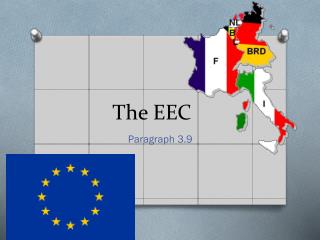
Towards the EEC (1949-1958) September29, 2011
Ideological background • Abbey of Saint-Pierre • Kant’s pacific union • Coudenhove-Kalergi and the Paneuropa movement • Churchill’s Speech in Zurich “The Tragedy of Europe”
Churchill, Zurich Speech (1946) “We must build a kind of United States of Europe. In this way only will hundreds of millions of toilers will be able to regain the simple joys and hopes which will make life worth living…”
Ideological background: • The Hague Congress (1948) • Federalists (Spinelli) vs. unionists • The Council of Europe (1949)
Early Steps towards Eur. Integration • Marshall plan Organization for European Economic Cooperation (1948) • Council of Europe (1949) • NATO (1949) • European Coal and Steel Community • Treaty of Paris (1951) • Jean Monnet, Robert Schuman, Rene Pleven, Konrad Adenauer
Jean Monnet • Head of the French Planning Commission • Came up with the plan to solve the “German question” for France • Functionalism in practice • Preoccupation with the technical and non-controversial issues • Role of technocrats • Institutions: “Nothing is possible without men; nothing is lasting without institutions."
Functionalism in Practice The Schuman Declaration (1950) “Europe will not be made all at once or according to a single plan. It will be built through concrete achievements which first create a de facto solidarity”
Schuman declaration (1950) • French and German coal and steel production to be placed under a common ‘High Authority’ • First step in the federation of Europe • War between F. and G. “not merely unthinkable, but materially impossible”
European Coal and Steel Community • Treaty of Paris (1951): Fr, Ger, It, Be, Ne, Lux • Institutions: • High Authority • Court of Justice • Council of Ministers • Common Assembly
Tasks of the ECSC • Create a common market in coal and steel • Reduce/coordinate prices • Increase efficiency • Eliminate discrimination and restrictions
Further Developments: • European Defense Community proposed (1950) • European Political Community (common defense, security and economic policies) • Failure of the EDC(&EPC) 1954 • Limits of European integration
Further Developments • Meeting of ECSC foreign ministers, Messina 1955 • Spaak Report (May 1956) • European Atomic Energy Community EURATOM • European Economic Community EEC
Emergence of the EEC and Euratom • Negotiations (1956-7) to establish • Cooperation on atomic energy • Economic cooperation • French objections • Special ties to overseas territories • Agriculture
The European Economic Community • “ever closer union among the peoples of Europe” • Creation of a common market in 12 years • Removing restrictions on internal trade • Establishing a common external tariff • Reducing barriers to the free movement of people, services and capital • Common agricultural and transport policies • Competition policy
The Institutions of the EEC • The European Commission • The Council of Ministers • European Court of Justice • European Parliament (Assembly)
Questions • The declaration to establish the Coal and Steel Community bears Schuman’s name rather than its architect Monnet. Why do you think this is the case?
Milward • Are the founders of the European Community saints, according to Milward? What is his argument? • What are the commonalities between Schuman, de Gasperi and Adenauer?
![Sino-soviet relations [1949-76]](https://cdn1.slideserve.com/3225561/sino-soviet-relations-1949-76-dt.jpg)