Understanding DNA and RNA: The Building Blocks of Life
Explore the fascinating world of DNA (Deoxyribonucleic Acid) and RNA (Ribonucleic Acid) in Mrs. Wharton's Science Class. DNA, structured as a double helix, contains the genetic instructions for cell function and protein production through sequences of nitrogen bases: cytosine, guanine, adenine, and thymine. In contrast, RNA, featuring a single helix and uracil in place of thymine, plays a vital role in translating these instructions into proteins. Together, they are essential for all living organisms, guiding cellular processes and functions.

Understanding DNA and RNA: The Building Blocks of Life
E N D
Presentation Transcript
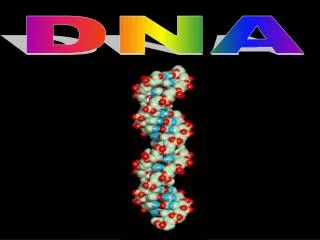
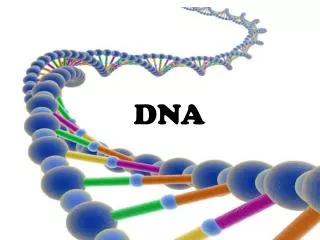
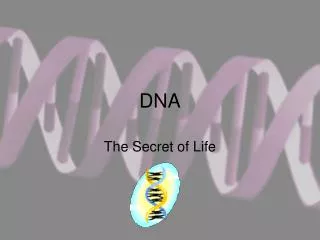
Deoxyribonucleic Acid • DNA- in chromosomes of the cell. Instructions for the cell. Genetic material. • Its in a shape of a DOUBLE HELIX- or twisted ladder
Nucleotides • Consists of sugars, phosphates and nucleic acids • The order of nitrogen bases along a gene forms a genetic code that specifies what type of protein will be produced.
Nitrogen bases for DNA • C- cytosine • G- Guanine • A- Adenine • T- Thymine
RNA- Ribonucleic acid • Decides what proteins are built in all living things • RNA- single helix structure • RNA and DNA are held together by nucleic acids • Uracil instead of thymine • Same rules as DNA
What do they do? • DNA holds on to instructions for cell ( head coach) • RNA sends directions to other cell parts ( Team leader)
RNA vs DNA RNA • Uracil • Cytosine • Adenine • Guanine DNA • Thymine • Cytosine • Adenine • Guanine