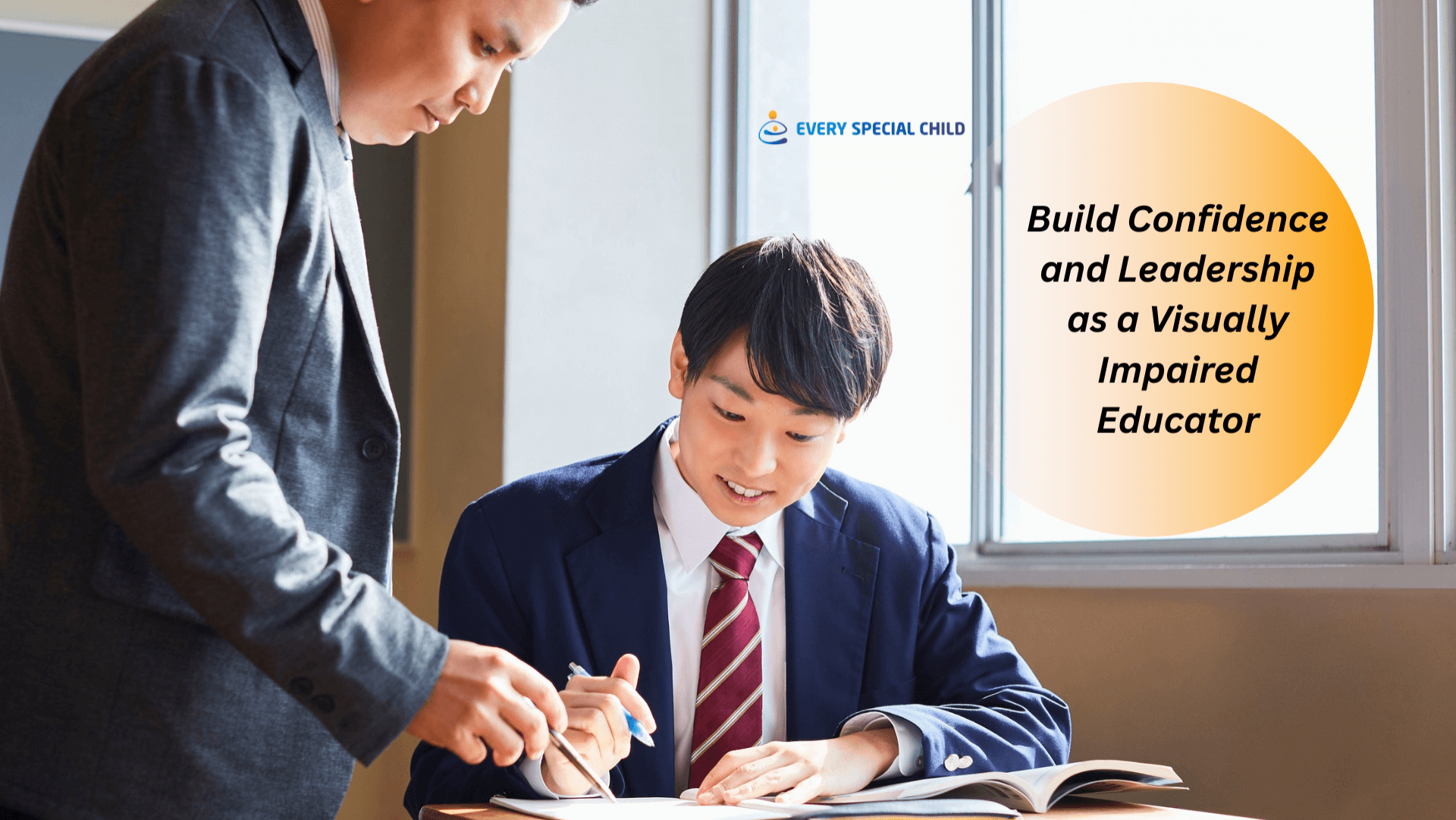
Building confidence as a visually impaired educator is essential for professional growth, effective teaching, and personal empowerment. With the right strategies, tools, and support systems, visually impaired teachers can thrive in diverse educational settings and inspire students through resilience and expertise.
One of the most important steps in building confidence is mastering assistive technology. Screen readers, braille displays, magnification software, and accessible teaching platforms allow educators to manage lesson plans, grading, and communication independently. Familiarity with these tools reduces daily challenges and reinforces self-assurance in the classroom. Apply Now
Strong classroom management and communication skills also play a key role. Clearly explaining expectations, using structured routines, and encouraging open dialogue help create a respectful learning environment. Confidence grows when educators focus on their strengths—such as subject knowledge, empathy, and adaptability—rather than limitations.
Professional development and peer support further enhance confidence. Connecting with other visually impaired educators, mentors, or professional organizations provides encouragement, shared strategies, and advocacy resources. Ongoing training helps teachers stay current with inclusive teaching practices and educational technology. Read More
Advocating for reasonable accommodations is another confidence-building practice. Requesting accessible materials, adaptive equipment, or classroom assistance ensures equal opportunities to perform at a high level. Self-advocacy reinforces professionalism and independence.
Ultimately, confidence comes from experience, preparation, and belief in one’s abilities. Visually impaired educators bring unique perspectives that enrich learning environments and demonstrate to students that success is possible through determination, skill, and self-confidence.