Download
1 / 4
40 likes | 170 Vues
The case of Finley v. US reshapes the landscape of supplemental jurisdiction in legal claims. It raises critical questions about original and supplemental claims, particularly under the Federal Tort Claims Act (FTCA). This analysis examines the implications of Finley on jurisdictional standards, especially concerning claims against electric companies and municipalities. We explore why certain supplemental claims may not pass the Gibbs test and assess the impact of Finley's new statutory and constitutional interpretations. Ultimately, we clarify the limits of pendent party jurisdiction in light of express and implied statutes.

E N D
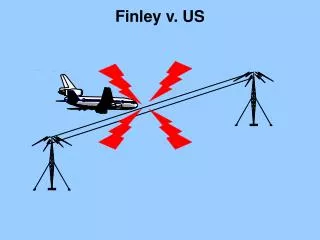
Finley: Structure of Lawsuit • Original Claim? • P v. US (FTCA – Exclusive) • Supplemental Claims? • P v. Electric Company (Wires) • P v. City (Runway Lights) • Does it pass Gibbs? • Then why is there no supplemental jurisdiction?
What did Finley Change? Statute (Implied) Constitution (Gibbs) Statute (Express) Discretion
Finley’s New Standard • Even if the supplemental claim fully satisfied Gibbs • Pendent Party jurisdiction would not be recognized • Unless a statute explicitly conferred it.