Download
1 / 5
50 likes | 156 Vues
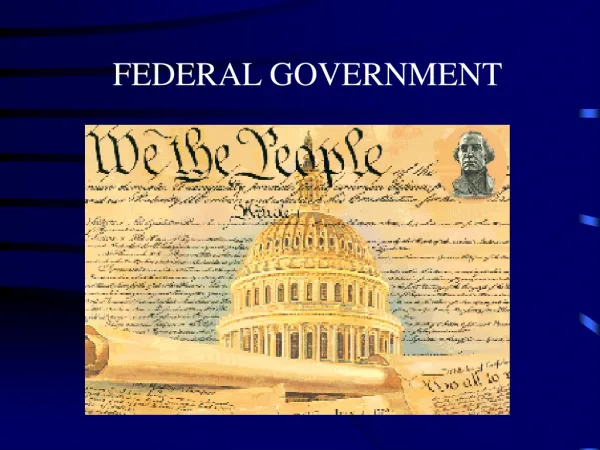
The federal bureaucracy in the United States has undergone significant transformation from the 19th century political patronage system to the merit-based system instituted by the Pendleton Civil Service Act of 1883. Initially, government positions were awarded to political allies, exemplified by the spoils system popularized under President Andrew Jackson. This practice led to the tragic assassination of President Garfield by a disgruntled applicant. The new merit system emphasizes hiring and promotion based on qualifications and exams, although it poses challenges in managing ineffective employees. Various types of agencies, including Cabinet departments and independent commissions, now serve essential functions in the government structure.

E N D
Old System: Political Patronage • During 19th century gov’t positions given to political allies/supporters (i.e. patronage) • Spoils system established under Andrew Jackson • Pres. Garfield assassinated by man who felt his patronage should = job • Pendleton Civil Service Act 1883 • Passed to end patronage
New System: Merit System • Hiring and promotion now based on merit system • Exams and promotion ratings used to reward qualified individuals • Downside: difficult to fire bad employees • Protected against politically motivated firing • Also protects unproductive workers • Easier to hire new person for same job than fire ineffective one
Types of Agencies • Cabinet Departments • 15 departments • Headed by Secretaries • Independent Regulatory Commissions • Makes/enforces rules to protect public interest • Ex. Federal Reserve Board, FCC, SEC
Government Corporations • Provides a service which could be provided by the private sector • Ex: Post Office, TVA • Independent Executive Agencies • All agencies NOT classified under other categories • Ex: NASA