Understanding Manipulative Games: Tactics and Effects in Social Dynamics
This article explores various manipulative tactics used in social settings, such as marking territory, intimidation, and discrediting others. It delves into strategies like monopolizing discussion, strategic non-compliance, and using information manipulation to control narratives. The piece highlights how these tactics create invisible barriers, roadblocks, and social exclusion. By recognizing these behaviors, individuals can navigate complex interpersonal dynamics more effectively, fostering healthier relationships and more open communication. Learn to identify these games and respond strategically.

Understanding Manipulative Games: Tactics and Effects in Social Dynamics
E N D
Presentation Transcript
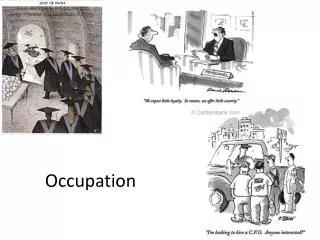
Occupation Game Marking territory through evidence of a physical or recurring presence, Acting as the gatekeeper for vital information, Monopolizing relationships, resources, or status
Intimidation Game Growling, Yelling, Staring Down To Scare Off, or Make Threats (overtly or veiled)
Filibuster Game Using excessive verbiage to prevent action, Out-talk or “wear down” objectors, Monopolize discussion until time runs out
Camouflage Game Creating a distraction, Emphasizing the inconsequential, Deliberately stimulating anxiety over ‘consequences’
Manipulating Information Game Withholding Information, covering up Putting a ‘spin’ on information, or Giving false information
Strategic Non-Compliance Game Agreeing up-front to take actions that never happen, Promising agreement simply to buy time, Having a “silent veto”
Invisible Walls Game “Roadblocking” the details of implementation, Creating negative perceptions about a project Making it very, very, difficult to proceed
Shunning Game Subtly or overtly excluding an individual from the group, Branding an individual as an “outsider” Withholding social acknowledgments
Powerful Alliances Game Using relationships to activate territorial games elsewhere Name-dropping as a display of territory Using relationships to threaten others
Discredit Game Using personal attacks or criticisms to diminish others, Creating doubt about another’s competence or credibility, Using sweeping generalizations to negatively brand a group