The Endangered Capercaillie: Protecting Scotland's Native Woodlands
The Capercaillie, the largest grouse species, inhabits Scotland's pine forests but faces severe threats. As native woodlands are replaced by artificial plantations, this iconic bird suffers due to habitat loss. Weighing up to 4 kg, the Capercaillie resembles a turkey and has distinct seasonal diets – pine shoots in winter and berries, seeds, and shrub buds in summer. Young chicks rely on insects during their initial weeks, highlighting the importance of preserving their natural habitat to foster biodiversity and safeguard this endangered species.

The Endangered Capercaillie: Protecting Scotland's Native Woodlands
E N D
Presentation Transcript
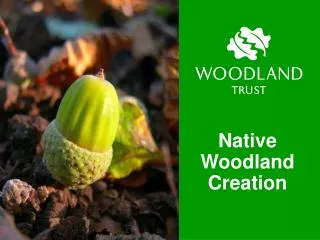
Native Woodland One endangered species living in our native woods is the red squirrel. Another is the Capercaillie.
Copy the following notes: • The capercaillie is the largest member of the grouse family and lives in pine forests of Scotland. • It prefers to live in native forests but is in danger because these are being destroyed and replaced by man- made plantations.
The capercaillie can weigh up to 4kg and looks a bit like a turkey. • It eats pine shoots in winter and in summer eats berries, seeds, buds and shoots of shrubs. For the first few weeks the chicks feed on insects.
Answer in sentences • 1. In which part of Scotland is the Capercaillie found? • 2. How does winter feeding differ from summer feeding? • 3. How do the chicks get the insects they eat? • 4. Why are capercaillie endangered? • 5. When native woodland is replaced by man-made plantations, how is the BIODIVERSITY changed?