Strategic Learning in Education: Implementing the PDSA Cycle for Effective Student Outcomes
This resource outlines the implementation of the PDSA (Plan-Do-Study-Act) model within the I-SS framework to enhance student learning outcomes. It highlights the importance of clear learning targets, bite-sized instruction, and cycle time definition, while emphasizing the role of formative assessments in monitoring progress. Educators are encouraged to use success criteria and effective instructional strategies tailored to their classrooms. By analyzing data collaboratively with students and adapting teaching methods based on results, educators can foster an environment of continuous improvement and learning.

Strategic Learning in Education: Implementing the PDSA Cycle for Effective Student Outcomes
E N D
Presentation Transcript
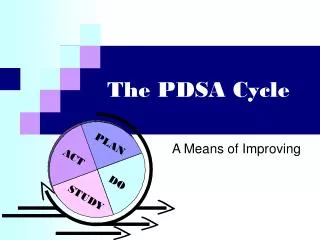
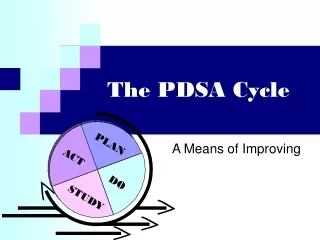
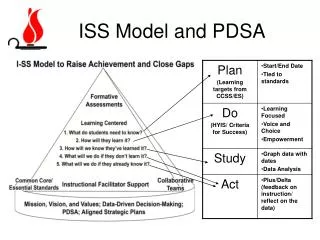
The Big Picture Strategic Learning Goal Strategic Learning Results (Benchmark Assessments, Common Assessments) Class/Course/ Program Mission DO How will we learn it? PLAN What do we need to learn? ACT What will we do if we don’t learn it? What will we do if we’ve already learned it? STUDY How will we know we’ve learned it?
LAN • Teacher shares a clear learning target with students (show the barbell!) • Bite size chunk of learning (think Goldilocks!) • Clearly define “cycle time” for your students (5-7 days is optimal) • Informal, formative assessment that assesses learning on the target.
O • Using criteria for success and instructional strategies • What strategies do we (as teachers) KNOW will generate learning? • What strategies are working best in this class? • Have I taught these strategies and do I use them by name? • Are there some “givens” in my classroom?
TUDY • How can I show students safe data that helps them see the progress they are making? • How can I leverage charts/graphs that they are studying in Mathematics? • How do I lead students in a conversation about what the data means? what it doesn’t mean?
CT • What do we need to keep doing/change based on what the data is telling us? • Are there some other things we tried that we didn’t capture (and should!)?