Planning for Life Beyond High School: A Guide to Effective Transition and IEP Strategies
This resource equips students and families with the tools to set goals for life after high school through a comprehensive transition plan. It emphasizes the importance of considering individual strengths and preferences while developing a coordinated set of activities. Key areas of focus include education, career paths, community living, social interactions, and health needs. It encourages active participation and collaboration from students, parents, and transition coaches to facilitate smooth transitions to post-school opportunities. Start planning today for a successful future!

Planning for Life Beyond High School: A Guide to Effective Transition and IEP Strategies
E N D
Presentation Transcript
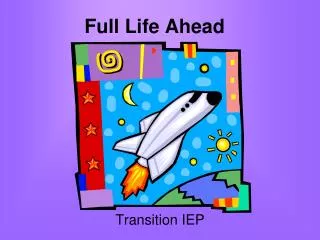
Full Life Ahead Transition IEP
The Transition Concept Coach student & families to think about goals for life after high school and develop long-range plan Design High School Experience & Supports Link students and families to post-school services, supports or programs before the student exits
A coordinated set of activities based upon the individual student's needs, taking into account the student’s strengths,preferences, and interests and shall include: • Education • Career • Community/Independent Living • Communication • Social Interaction • Recreating & Leisure
Questions to be answered during the “TEEN” years • What is the student’s passion – what are his/her interests and preferences? • Where is the student going vocationally (competitive employment, supported employment, volunteer work)? • Will the student need post secondary education or training? • Where will the student live and what support will be needed? • How will the student’s transportation needs be met?
Questions to be answered during the “TEEN” years…contd. • 6. How will the student maintain his/her social life? • 7. What types of leisure activities will the student participate in? • 8. How will the student meet his or her needs for health and medical care, including health insurance? • 9. What community agencies can help and how will they be accessed?
If you don’t know where you are going, then any way will do. Lewis Carol – Alice in Wonderland
Let’s go on a trip! What are my options? What destination will I choose? How will I get there? Who will help me? How will they help me? What preparations do I need to make?
Age appropriate → transition assessment Measurable post → school goal Annual IEP goals → Agency linkages → Transition services → Course of study → What are my options? What destination will I choose? How will I get there? Who will help me? How will they help me? What preparations do I need to make? So……what is transition?
To help me get where I’m going A coordinated set of activities… Designed to be within a results-oriented process, that is focused on improving the academic and functional achievement of the child with a disability to facilitate the child’s movement from school to post-school activities…
Measurable Post-school Goals (vision) Statement of Transition Services including course of study Statement of Transition Services (agency linkages) Annual Goals Short term Objectives Benchmarks Present Level of Performance PLAAFP Adapted from O’Leary 1999 IEP Process for Transition Start with the end in mind
Essential Elements for Effective Transition from School to Adult Life • A school curriculum that includes academic & functional skills and vocational opportunities • Training in community-based settings • A written formal transition plan that includes living , career and social skills • Parental Involvement to help identify employ--ment, post secondary education and independent living options
Roles & ResponsibilitiesSTUDENT • Actively participate in all discussions & decisions • Communicate preference & interests • Communicate strengths • Take part in or lead own IEP meetings
Roles & ResponsibilitiesPARENT/FAMILY • Providers of Unique Information • Role Models • Case Monitors • Risk Takers • Financial Planners • Advocates for Career Ed Programs
Roles & ResponsibilitiesTRANSITION COACH • Support the student, general educators and special educators of post secondary goal and develop appropriate course of study and educational experiences • Identify and plan for related services needed to support Post Secondary Goal • Link students and parents to the appropriate • post-school related services before leaving school
THE END OR JUST THE BEGINNING !!!!!!