Download
1 / 11
160 likes | 341 Vues
This piece explores the growing issue of distractions caused by mobile technology in our daily lives. It examines the tension between physical and virtual presences, highlighting the cognitive limitations of the human brain in multitasking scenarios. The article discusses current legislative measures aimed at controlling device usage and considers future concerns surrounding omnipresent computing. Ethical perspectives are analyzed, alongside potential solutions such as public education and cultural shifts. Ultimately, it calls for collective responsibility in addressing these distractions.

E N D
Computers and Technologyas Distractions Samuel Teich Samuel Vickers
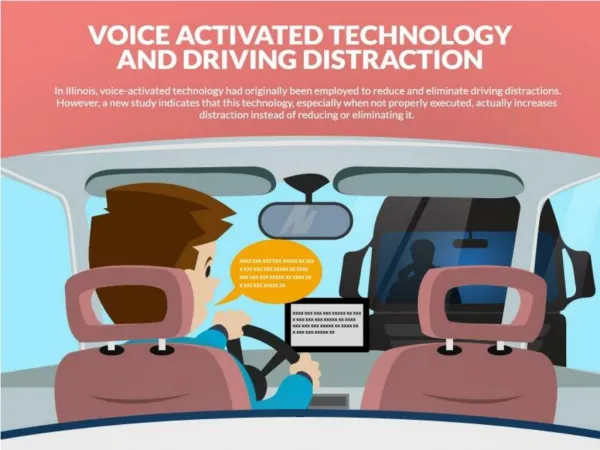
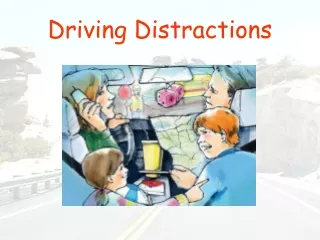
The Problem • Increasingly mobile technology has created a dangerous distraction in our society • This creates a tension between physical presence and virtual presence with potentially harmful results
Current State • Due to improved technology, computers are becoming more prevalent in our daily routine. • Some states have enacted legislation to control use of devices in some circumstances.
Future Concerns • Omnipresent computing • New means of computing will only increase level of distraction
Psychological View • The human brain cannot multitask effectively • “Cognitive Bottleneck Theory”
Ethical Analysis Kantian and Utilitarian evaluation of: • The use of a device • Introduction of a new device in to society
Potential Solutions • Public Education of Risks • Improved Technology • Legislation
Conclusion • Cell phones pose most visible predicament • All entities involved have some ethical duty • Cultural shift as a possible solution
Bibliography • “Cell Phone and Texting Laws” Governors Highway Safety Association, November 2011 • “Intelligence, working memory, and multitasking performance” Roberto Colom. Universidad Autonoma de Madrid. 16 September 2010. Madrid, Spain • “The Quest for a Unified Theory of Multitasking. The Multitasking Mind” Salvucci, Taatgen. Oxford University Press. 2011 • “Distraction and pedestrian safety: How talking on the phone, texting, and listening to music impact crossing the street” David C. Schwebel. University of Alabama. July 2011 • “Human Multitasking” Wikipedia Article. Last modified November 13, 2011 • “Task Switching” Wikipedia Article. Last modified October 12, 2011 • “Executive functions” Wikipedia Article. Last modified November 16 2011
Bibliography (cont.) • “Examining the impact of off-task multi-tasking with technology on real-time classroom learning” Eileen Wood. Wilfrid Laurier University. August 2011 • “Distracted walking: Cell Phones increase injury risk for college pedestrians” DespinaStavrinos. University of Alabama. March 2011 • “Statistics and Facts About Distracted Driving” www.distraction.gov US Department of Transportation