Download
1 / 2
20 likes | 138 Vues
This module focuses on the critical relationship between balance, rhythm, and emphasis in design. It covers various types of balance, including symmetrical, asymmetrical, horizontal, vertical, and radial. Students will learn about different rhythms, such as metric, flowing, swirling, and climatic. Additionally, the course will explore how emphasis can be achieved through color, light, and shape, as well as by using contrast, isolation, and placement. By understanding these concepts, students will enhance their ability to create visually compelling designs.

E N D
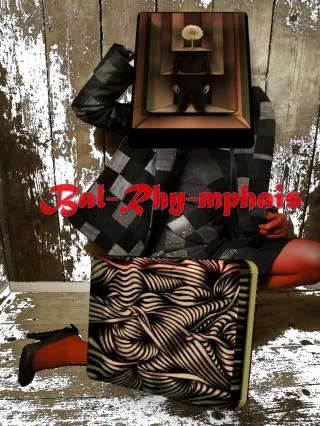
SMHM 2360Aesthetics & Environment Design Element 7 Balance, Rhythm & Emphasis Objectives • To identify the important relationship between Balance, Rhythm and Emphasis. • To understand the variety of Balance, for example, symmetrical, asymmetrical, horizontal, vertical and radial balance. • To understand the types of Rhythm, for example, metric, flowing, swirling and climatic rhythm. • To understand how Emphasis can be achieved by color, light and shape, and created by contrast, isolation and placement. Learning Outcomes • The relationship of balance, rhythm and emphasis is displayed an eye catcher for the viewer. • An asymmetrical balance is displayed through the plant relative to the weight of the separated body parts in a structural balance of actual equilibrium. • Rhythm is portrayed is created in repetition of waved lines as flowing units. • Emphasis is drawn to the color of the red stockings that draws attention to the eye. A.J. D.