SlideServe
Menu
Préférences
© SlideServe · v2026

Studio portraits

jesika01 avatar
14 diapositives · 295 Views · Nov 29, 2015

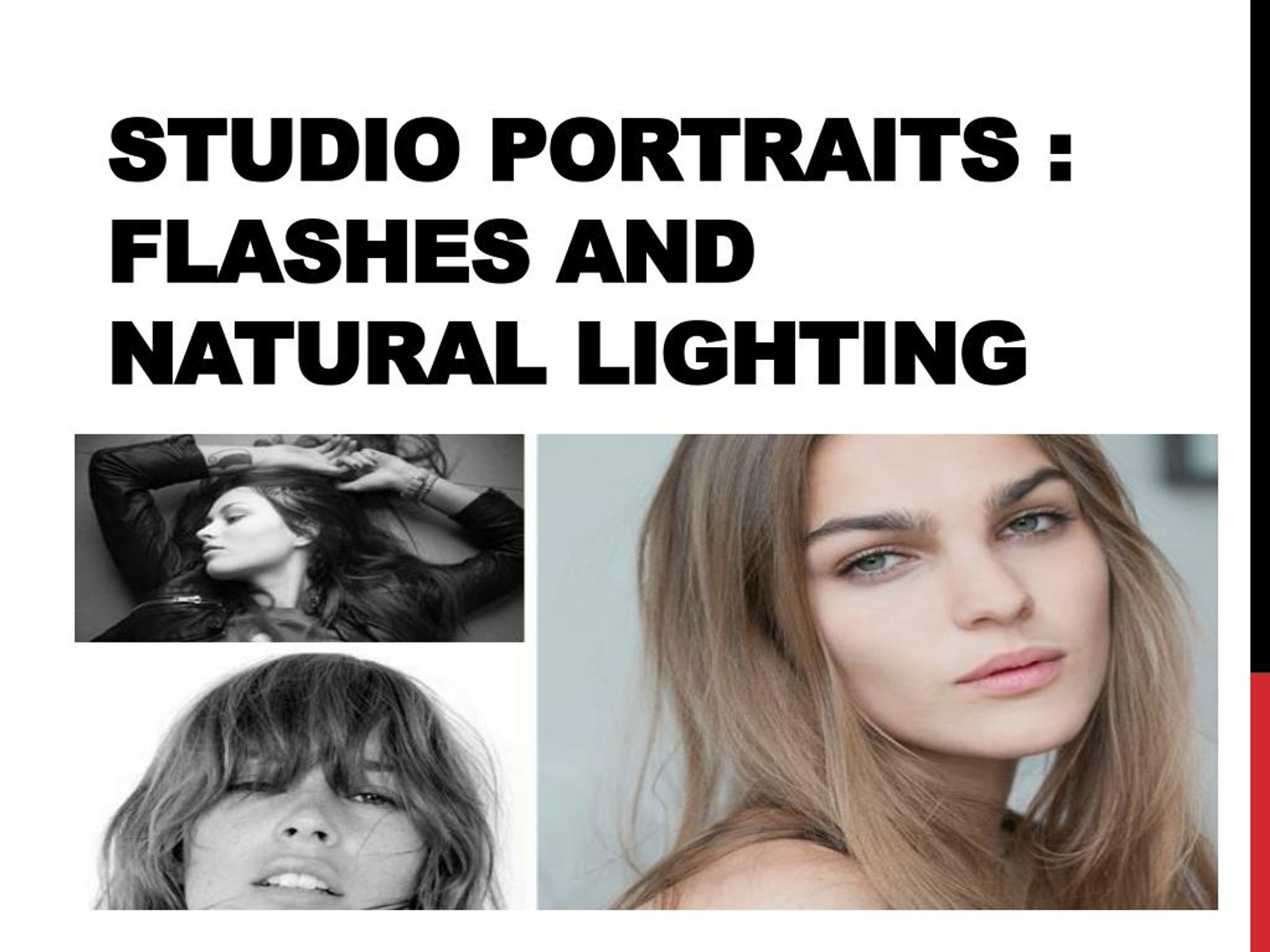
Understanding different light sources in the photo studio: soft, diffused, simple, mixed, flash, and daylight with and without a reflector.
Studio portraits - slide 1
01 / 14Studio portraits
1 / 17

Télécharger la présentation

Studio portraits
Une image / un lien ci-dessous est fourni (tel quel) pour télécharger la présentation

Politique de téléchargement : le contenu du site vous est fourni TEL QUEL pour votre information et votre usage personnel ; il ne peut être vendu, concédé sous licence ni partagé sur d’autres sites sans l’accord de son auteur.Le contenu vous est fourni TEL QUEL, pour votre information et votre usage personnel uniquement. Téléchargez la présentation en cliquant sur ce lien. Lors du téléchargement, si vous ne parvenez pas à télécharger une présentation, l’éditeur a peut-être supprimé le fichier de son serveur.Pendant le téléchargement, si vous ne parvenez pas à obtenir une présentation, le fichier a peut-être été supprimé par l’éditeur.

F I N

Plus de contenu associé

Transcription de la présentation
  1. Studio portraits : flashes and natural lighting

  2. Understanding different light sources in the photo studio: soft, diffused, simple, mixed, flash, and daylight with and without a reflector.

  3. You will learn to create different techniques that result in chiaroscuro, natural lighting and cinematic effects. It's possible to recreate very different atmospheres in a well lit studio. There are a multitude of inspirations; painters of light from the 17th century, natural light, or advertising...

  4. In this course you will discover a variety of techniques to create different Studio effects and find your own style.

  5. How to choose a background for the subject, proper framing in a studio / loft or outdoor shots depending on the weather and the wishes of the group.

  6. Understanding and demonstrating the importance of the eyes in a portrait; Creating positive interaction with your model: learning how to direct him/her and making them feel at ease.

  7. How will the course run? • This is a 4 hours lesson given by a professional photographer in a photo studio that is divided into three stages:

  8. 1. Theoretical presentation. The photographer presents the photo studio equipment, its uses, presents the different types of lighting and how to use them. He/She will help you to choose a background and atmosphere depending on the desired imagery.

  9. He/Shewill advise you on how to interact with your model in order to create a successful set of images/portraits. You will receive a written summary of the course at the end.

  10. 2. Shooting exercises : its your turn to shoot! After learning theory, it's time to put it into action! To fully understand portraiture you will take turns as both photographer and model.

  11. Depending on the weather and the wishes of the group, it will always be possible to shoot outdoors.

  12. 3. Analysing your photos : At the end of the course, you will be showing your best images and receiving analysis, feedback and valuable advice from the proffesional photographer.

  13. For more update, visit us http://www.thephotoacademy.com/