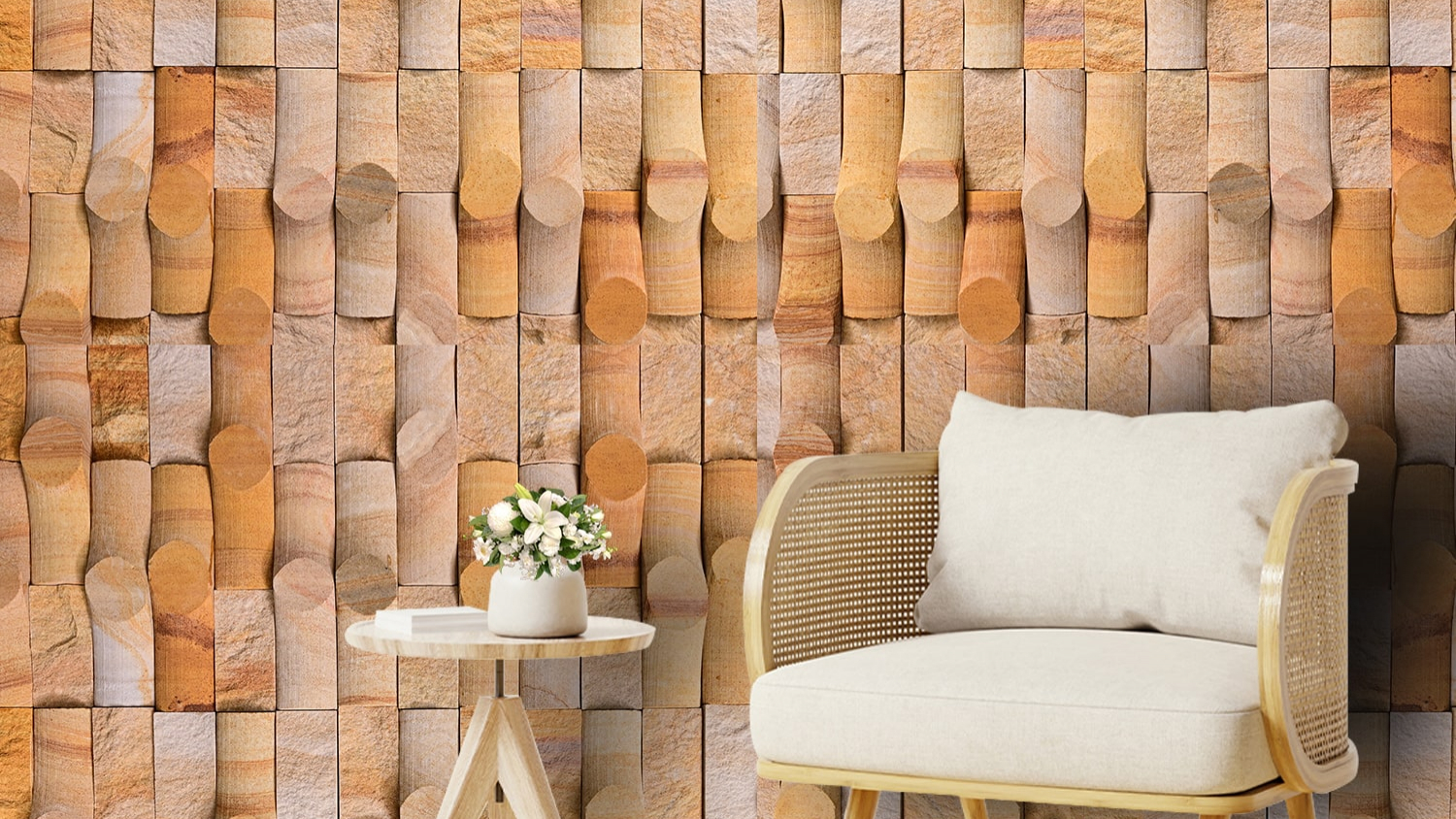
Natural stone is the oldest and most revered building material beyond human history because it is resilient, beautiful, and timeless. Natural stone cladding is now in high demand and it has something to do with availability for both the home owner, architect or interior designer who wants a material that is both strong and will be adding the statement of luxury. But what, exactly, makes one stone product better than another? How does a supplier guarantee that all stone for cladding is of high quality?
This post takes the full trip around quality assurance, and details how top stone makers ensure every stone they supply is of uniform appearance, strength and visual allure.
1. Sourcing Stones from Premium Quarries
The finest quality production starts at the source. The reliable manufacturers only choose quarries with geological stability, uniform stone patterns and environmentally sound.In Some things that can affect this include:
- Color consistency
- Texture quality
- Vein patterns
- Weather resistance
- Structural durability
Geological tests are carried out by manufacturers to determine the feasibility of using the stone as a wall cladding material. This process is most crucial in innovating the best stone wall design that you can use in modern-day building projects.
2. Tight Extraction Standards for No Damage
Quarry men, also known as stone cutters or extractors, have an art in the blasting or other processes by which they take out all stones without cracking, giving them seams and weak points. Cutting technique of wire saw and hydraulic splitters guarantee little waste from the stone.
A high quality extraction ensures every block is solid, tight, sturdy and that it will perform well as a wall cladding stone for inside or outside applications.
3. Quality Grading and Sorting
After quarrying, stones are sorted by both quality and colour. Manufacturers categorize stones based on:
- Color tone
- Size
- Veining
- Texture
- Strength
- Suitability for cladding
- This grading system promotes consistency, particularly in interiors where design flow is a consideration — such as interior stone wall cladding, hotel lobbies, living room feature walls and high-end commercial spaces.
4. Advanced Cutting, Shaping & Finishing Techniques
Graded and sorted, every block is put through machines of the upmost sophistication. Modern stone processing units use:
- CNC cutting machines
- Diamond saws
- Edge profiling tools
- Polishing machines
- Automatic calibration systems
Manufacturers offer several finish options to suit various design needs including;
- Honed
- Natural split
- Brushed
- Sandblasted
- Polished
- Antique
- Tumbled
5. Strength & Durability Testing
Quality is guaranteed by laboratory-testing that manufacturers undertake. The follow test cases are of particular importance:
- Water Absorption Test
- Compressive Strength Test
Makes certain the stone can bear load bearing force.
- Thermal Shock Resistance
- Flexural Strength Test
- Weather & Chemical Resistance
6. Color Matching for Design Consistency
This is one of the greatest obstacles when it comes to natural stone installations: pattern and color matching.
Manufacturers address this by:
- Sorting stones into matching bundles
- Keeping track of quarry batches
- Ensuring sequential cutting
- Not adding lots for one project
7. Precision Packaging and Safe Transportation
High-quality natural stone can lose its value if damaged during transportation. Transport damage turn the valuable material natural stone from high quality into scrap. To prevent breakage:
- Wooden crates with cushioning material are used by manufacturers.
- Stones are spaced for less abrasive strokes
- Waterproof sheets prevent the stones from getting humidified.
- Labels ensure correct product identification.
8. Issue of Installation and Technical Assistance
Quality isn’t limited to manufacturing. Reliable stone dealers also offer professional installation services in the form of:
- On-site technical support
- Installation manuals
- Recommendations for adhesives and sealants
- Training for contractors
- Standards for expansion joints and waterproofing
9. Sustainable Manufacturing Practices
Contemporary manufacturers of stone place a strong emphasis on their sustainability. Water recycling, responsible quarrying, minimum wastages and energy efficient cutting machines are already catering to the increasing demand for natural products while also preserving nature´s attractiveness in its pristine form.
Because eco-friendly buyers today also prefer natural stone as it is recyclable, non-hazardous and environmentally sustainable with a long life span—whether for indoor or outdoor wall cladding.
10. Transparency of Prices and the Level of Quality
Customers frequently look for wall cladding stone price to check prices and reviews while buying wall cladding stones. What ethical manufacturers offer as part of their transparency:
- Detailed pricing
- Stone specifications
- Durability reports
- Maintenance instructions
Conclusion
The quality of wall cladding materials are largely dependent on the production process – from quarrying, cutting, grading, testing and support for system installation. Durable, beautiful and long-lasting are a few benefits of natural stone that is produced scientifically.Reputed manufacturers don’t claim magical products but here we will show you some of the scientific methods in which natural-stones delivers for long time.
Whether for the construction of stone wall cladding, living room design, or exterior facades that stand the test of time, it’s important to select a manufacturer that provides products complementary to your end goals. For contemporary construction, natural stone continues to be the premium material choice, because it is solid, sustainable and comes from beautiful earth.