Crypto Wallet List
A Crypto Wallet List helps users compare trusted digital wallets designed to store and manage cryptocurrencies like Bitcoin, Ethereum, and more. It includes both hardware and software options, so beginners and advanced traders can choose what fits their needs. These lists often highlight key features such as security levels, supported coins, user control, and ease of access. I think it is helpful for anyone wanting a clear view of the best choices in todayu2019s fast-growing crypto space. This type of guide supports safe transactions, smart investing, and smooth portfolio management while giving u


Crypto Wallet List
E N D
Presentation Transcript
Best Crypto Wallets List ● Best Crypto Cold Wallets ● Best Crypto Hardware Wallets ● Best Crypto Exchange in India ● Trezor vs Ledger: Which is Better ● Best NFT Wallets ● Cold Wallet vs Hot Wallet ● Best Crypto Savings Accounts ● Best Defi Staking Platform ● Zengo Wallet Review How to Secure Your Crypto Assets: A Comprehensive Guide to Protecting Your Digital Wealth The decentralized nature of cryptocurrency offers unprecedented financial freedom, but it also places the entire responsibility of security squarely on your shoulders. Unlike traditional banking, there's no customer service hotline to call if your Bitcoin disappears, no insurance to recover stolen funds, and no undo button for mistaken transactions. Understanding how to secure your crypto assets isn't just recommended—it's absolutely essential for anyone participating in the digital economy. Understanding the Threat Landscape Before diving into security measures, it's crucial to recognize what you're protecting against. Crypto threats range from sophisticated phishing schemes and malware attacks to social engineering tactics and exchange hacks. In 2023 alone, billions of dollars in cryptocurrency were stolen through various attack vectors, with many victims losing their entire portfolios in seconds. The most common vulnerabilities stem from human error rather than technological failure. Clicking a malicious link, storing private keys insecurely, or falling for impersonation scams account for the majority of crypto losses. This reality underscores an important principle: your security strategy must address both technical safeguards and behavioral discipline.
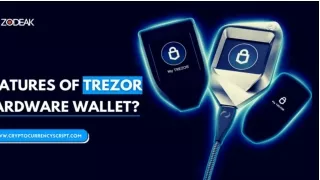
The Foundation: Wallet Security Your crypto wallet is the gateway to your digital assets, and choosing the right type is your first major security decision. Hardware wallets, also known as cold wallets, remain the gold standard for storing significant amounts of cryptocurrency. These physical devices keep your private keys completely offline, making them virtually immune to remote hacking attempts. Popular hardware wallets like Ledger and Trezor offer robust security features, but they're only effective when used correctly. Never purchase hardware wallets from third-party sellers or unverified sources—always buy directly from manufacturers. Scammers have been known to sell pre-compromised devices with backdoors already installed. Software wallets and mobile wallets offer convenience for everyday transactions, but they come with increased risk since they're connected to the internet. If you use hot wallets, only keep amounts you're comfortable potentially losing, and treat them like the physical wallet in your pocket—never more than your spending money. Private Keys: The Crown Jewels Your private keys are literally the keys to your kingdom. Anyone who gains access to them has complete control over your crypto assets. The golden rule is simple: never share your private keys or seed phrases with anyone, under any circumstances. No legitimate company, exchange, or support representative will ever ask for this information. When you first set up a wallet, you'll receive a seed phrase—typically 12 to 24 random words. This backup phrase can restore your entire wallet if your device is lost or damaged. Write it down on paper and store it in multiple secure physical locations. Never store seed phrases digitally, whether in cloud storage, email, photos, or password managers. Digital storage creates additional attack surfaces for hackers to exploit. Consider using metal backup solutions designed specifically for seed phrases. These fireproof and waterproof plates ensure your recovery information survives physical disasters that might destroy paper copies. Multi-Factor Authentication and Password Hygiene Every account connected to your crypto holdings should have multi-factor authentication enabled. SMS-based two-factor authentication is better than nothing, but authenticator apps like Google Authenticator or Authy provide stronger security since they can't be hijacked through SIM swapping attacks. Your passwords deserve equal attention. Each platform should have a unique, complex password containing uppercase and lowercase letters, numbers, and special characters. A
reputable password manager can generate and securely store these credentials, ensuring you're not recycling passwords across multiple services—a practice that turns one breach into a cascade of compromised accounts. Exchange Security: Trust but Verify Cryptocurrency exchanges are frequent targets for hackers because they hold vast amounts of digital assets in centralized locations. While reputable exchanges implement robust security measures, keeping large amounts of crypto on exchanges contradicts the fundamental principle of self-custody. The crypto community has a saying: "Not your keys, not your coins." This wisdom reflects the reality that funds on exchanges are technically owned by the exchange until you withdraw them to your personal wallet. Major exchange hacks throughout crypto history have resulted in permanent losses for users, regardless of the platform's reputation. Use exchanges for their intended purpose—buying, selling, and trading—then promptly withdraw your assets to your personal wallet. Enable all available security features on your exchange accounts, including withdrawal whitelists that restrict transfers to pre-approved addresses. Recognizing and Avoiding Scams The crypto space unfortunately attracts numerous scammers exploiting people's limited understanding of the technology. Phishing websites that mimic legitimate platforms are extraordinarily common. Always verify URLs carefully before entering credentials or connecting wallets, and bookmark your frequently used sites to avoid typos that might lead to impostor pages. Beware of unsolicited investment opportunities promising guaranteed returns or "risk-free" profits. These classic too-good-to-be-true schemes prey on greed and fear of missing out. Similarly, social media impersonators posing as celebrities or project founders frequently run "giveaway" scams requiring you to send crypto first to receive larger amounts back—never do this. Network Security Matters Your device and internet connection form critical components of your security infrastructure. Keep all software updated, including operating systems, browsers, and crypto applications. Updates frequently include security patches addressing newly discovered vulnerabilities.
Avoid accessing crypto accounts on public Wi-Fi networks, which can be compromised or completely fake networks set up by attackers to intercept data. If you must access accounts remotely, use a reputable VPN service to encrypt your connection. Consider dedicating a specific device solely for crypto transactions if you hold substantial assets. This "crypto-only" computer or phone should have minimal applications installed and should never be used for general web browsing or downloading files, reducing malware exposure. Diversification and Risk Management Don't put all your eggs in one basket applies to crypto security as well. Distribute your holdings across multiple wallets and storage solutions based on usage frequency and amount. Keep long-term holdings in cold storage, medium-term funds in secure software wallets, and only minimal amounts in hot wallets for active trading. This layered approach means that if one wallet is compromised, you won't lose everything. It also prevents single points of failure in your security architecture. Regular Security Audits Security isn't a one-time setup—it requires ongoing vigilance. Periodically review your security practices and update them as needed. Check which applications have access to your wallets and revoke permissions for services you no longer use. Review transaction histories for any suspicious activity. Test your backup procedures to ensure you can actually recover your wallets if needed. Stay informed about emerging threats and new security best practices within the crypto community. The technology evolves rapidly, and so do the tactics of malicious actors trying to exploit it. Key Challenges and Precautions The primary challenge in crypto security lies in balancing accessibility with protection. Being your own bank means no safety net exists if you make mistakes. Phishing attacks grow increasingly sophisticated, often indistinguishable from legitimate communications. Hardware wallet firmware vulnerabilities occasionally emerge, requiring prompt updates. Social engineering exploits psychological manipulation rather than technical weaknesses, making even security-conscious users vulnerable. Smart contract interactions can drain wallets through malicious approvals if you're not careful about what you're signing. Always verify contract addresses, never rush transactions under pressure, regularly check token approvals, and maintain healthy skepticism toward unsolicited opportunities.
Summary Securing crypto assets requires hardware wallets for storage, protecting private keys offline, enabling multi-factor authentication, avoiding exchange storage, recognizing phishing attempts, maintaining device security, diversifying holdings, and conducting regular security audits while staying vigilant against evolving threats. This article is provided for educational purposes only and does not constitute financial or security advice.



![[PDF] Free Download The Terminal List By Jack Carr](https://cdn4.slideserve.com/8122590/slide1-dt.jpg)
![[PDF] Free Download The Kill List By Frederick Forsyth](https://cdn4.slideserve.com/8147700/slide1-dt.jpg)