Reproductive Strategies in Aquatic and Terrestrial Organisms: A Study of Asexuality and Polyandry
This document explores various reproductive strategies in different species, including the asexual reproduction of freshwater hydra through budding, hermaphroditic earthworm mating habits, and the environmental influence on Jack-in-the-pulpit reproductive forms. It also highlights examples of polyandry in the African Jacana and lek behavior in male peacocks during courtship displays. Additionally, it discusses the correlation between body size and reproductive success in crabs and European red squirrels, emphasizing ecological and physiological factors affecting fecundity.

Reproductive Strategies in Aquatic and Terrestrial Organisms: A Study of Asexuality and Polyandry
E N D
Presentation Transcript
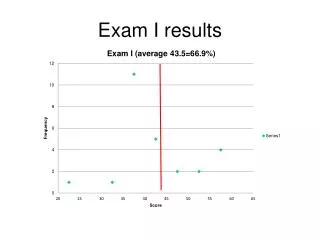
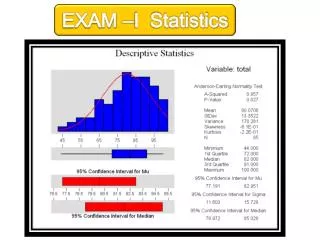
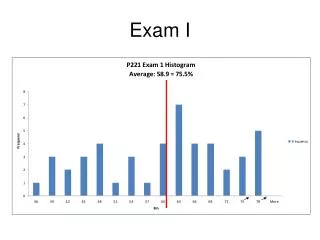
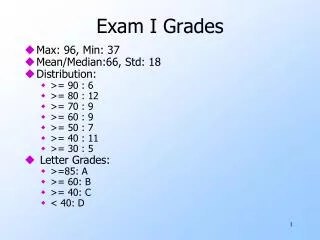
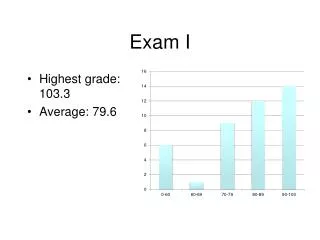
Exam I • Highest grade: 103.3 • Average: 79.6
Jack-in-the-pulpit becomes asexual, male, or female depending on energy reserves: Female fruiting stage requires large amount of energy.
Example of polyandry: Male African Jacana defending its young. Female lays clutch; male incubates eggs and cares for young while female seeks additional mates.
Male peacock in courtship display. (Lek behavior)
Annual production of young (fecundity) by big-handed crabs increases with body size. Similarly, lifetime reproductive success of European red squirrel is correlated with body weight in first winter as an adult.