Download

1 / 2
0 likes | 0 Vues
In manufacturing and packaging environments, traditional Xerox machines and industrial inkjet printers serve very different purposes. While Xerox machines are mainly used for office document printing and copying, industrial inkjet printers, batch coding machines, and continuous inkjet printers are designed for high-speed, non-stop production lines. Understanding how these technologies differ and how businesses transition from basic printing to industrial batch coding helps improve efficiency, compliance, and product traceability.<br><br>Understanding the Shift from Xerox to Industrial Printing<br>Xero

E N D
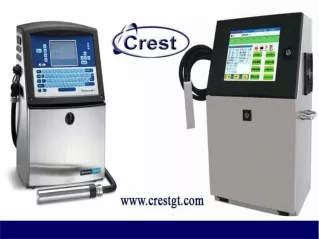
From Xerox to Inkjet: How Industrial Printers Power Modern Batch Coding and Marking In manufacturing and packaging environments, traditional Xerox machines and industrial inkjet printers serve very different purposes. While Xerox machines are mainly used for office document printing and copying, industrial inkjet printers, batch coding machines, and continuous inkjet printers are designed for high-speed, non-stop production lines. Understanding how these technologies differ and how businesses transition from basic printing to industrial batch coding helps improve efficiency, compliance, and product traceability. Understanding the Shift from Xerox to Industrial Printing Xerox machines are ideal for paper-based tasks such as invoices, manuals, labels, and internal documentation. However, when businesses need to print information directly on products or packaging—such as manufacturing dates, expiry dates, batch numbers, barcodes, or logos—office printers are not suitable. This is where inkjet coding machines and batch coding solutions become essential. Industrial printers are built to operate in harsh environments, printing on materials like plastic, glass, metal, paperboard, and flexible packaging. They integrate directly into production lines, unlike standalone Xerox machines. How Industrial Inkjet Printers Are Used Industrial inkjet printers apply non-contact printing, meaning the print head does not touch the product. This allows high-speed printing on moving items without slowing production. They are commonly used for: • Printing batch numbers and expiry dates • Adding product identification codes • Marking packaging for traceability and compliance A continuous inkjet printer is especially useful in fast-moving industries like food, beverages, pharmaceuticals, and cosmetics. It sprays a continuous stream of ink droplets, making it reliable for round, curved, or uneven surfaces. Using Batch Coding Machines in Production A batch coding machine is programmed with variable data such as date, time, shift code, and batch number. Once connected to the conveyor system, it automatically prints this information on every product. Unlike Xerox machines, which require manual operation, batch coding systems are fully automated and synchronized with production speed. Where Xerox Machines Still Fit Xerox machines still play a supporting role. They are often used to print:
• Outer carton labels • Shipping documents • Quality control reports • Compliance paperwork In this way, office printing and industrial printing work together—Xerox machines handle documentation, while inkjet coding machines handle on-product marking. Final Thoughts Moving from office printing to industrial printing is a natural step for growing manufacturers. By combining Xerox machines for documentation with industrial inkjet printers, batch coding machines, and continuous inkjet printers for production, businesses achieve accuracy, speed, and regulatory compliance. This smart use of printing technology ensures products are traceable, professional, and ready for competitive markets.