Comprehensive Guide to Transportation Planning and Street Maintenance
This informative session led by Steve Hansen, PE, Director of Public Works in Liberty, MO, explores key aspects of transportation planning, traffic management, and street maintenance. Participants will gain insights into fundamental transportation planning principles, regulations regarding traffic control devices, and the benefits of Pavement Management Systems. Attendees will learn about best practices for street operations, including preventive maintenance, signage, and the impact of emerging issues such as aging infrastructure and alternative transportation modes. Essential for city planners and public works professionals.

Comprehensive Guide to Transportation Planning and Street Maintenance
E N D
Presentation Transcript
PUBLIC WORKS OPERATIONS:TRANSPORTATION Steve Hansen, PE Director of Public Works – Liberty, MO APWA PW Institute April 8, 2014
Transportation • Transportation planning • Traffic management • Street maintenance
Learning Objectives • Understand basic transportation planning • Understand rules and regulations covering traffic signs, signals and markings • Be familiar with alternative methods of street pavement maintenance • Understand the use of a Pavement Management System • Emerging issues
Transportation Planning • Plan for safe movement of people and goods. • Create Transportation element in City’s General or Comprehensive Plan • Existing inventory • Plan for future (link with zoning) • Goals and policies • Financing • Plan for autos, transit (bus and rail), trucks, taxis, pedestrians, bicycles, etc.
Traffic Engineering • Keep people and goods moving safely • Regulate traffic and parking • Get yelled at by everybody
Manual of Uniform Traffic Control Devices (MUTCD) • Standardizes use of; • Traffic signs • Traffic signals • Pavement markings • On or adjacent to streets and highways • MUTCD is a nationally used standard required by the FHWA
Best Management Practices-Traffic Operations • Develop uniform traffic control policies and procedures based on MUTCD for installation of: • Signs (Traffic, parking, speed, street name, school and pedestrian, railroad, etc.) • Markings (Pavement lane delineation, crosswalks, stop lines, etc.) • Traffic signals • Truck, bicycle and pedestrian routes • Traffic calming devices • Conduct traffic study before installation • Authorize installation through legislation • Remember ADA
Who “Owns” Your Streets? • Street Operations Manager? • City Engineer? • Both? • Other? • No one?
Best Management Practices:Street Maintenance • Operations and maintenance (O&M) responsibilities assigned • O&M procedures established • Inspection system established (roads, bridges, tunnels, walls, sidewalks, etc.) • Preventive maintenance program adopted • Street maintenance coordinated with capital improvement projects • Asset Management for streets (Pavement Management System) • Methods for reporting street repair needs
Street Maintenance-Pavement Management Systems • Definition of street segments • Inventory • Condition assessment • Traffic/truck volume (street classification) • Costs of alternative treatments • Recommended treatment and cost • Annual budget capacity • Recommended program
Roadway Maintenance Program Elements • Crack sealing • Pothole patching and pavement repairs • Street sweeping • Related activities Signage and pavement marking Storm water system maintenance Mowing Snow plowing
Street Maintenance ActivityService Life • Patch (1-3 years) • Crack seal (1-3 years) • Slurry seal (3-5 years) • Chip seal (3-5 years) • Resurface (10-20 years) • Mill and overlay (10-20 years) • Reconstruct (15-40 years)
Pavement Life Variables • Materials used • Subsurface conditions • Pavement condition and preventative maintenance • Type of failure • Traffic/truck volume • Funding • Citizen tolerance • Political will
Methods for Receiving Street Repair Needs • Patrol and survey by city crews and other departments • Pothole hotlines • Website • Iphone and other mobile phone apps • Citizen online service requests
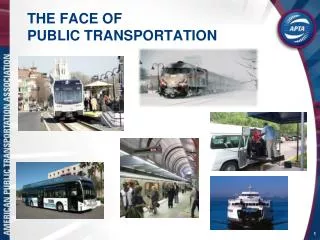
Emerging Issues in Transportation • Transit (rail and bus) • Americans with Disabilities Act • Aging population • Alternate transportation modes (bicycles, motorcycles, jogging paths, walking) • Traffic calming/streetscaping • Intelligent highways/roadways • Aging infrastructure • Fluctuations in material prices • Decreased funding