Workload Planning
E N D
Presentation Transcript
Importance Of Workload Planning
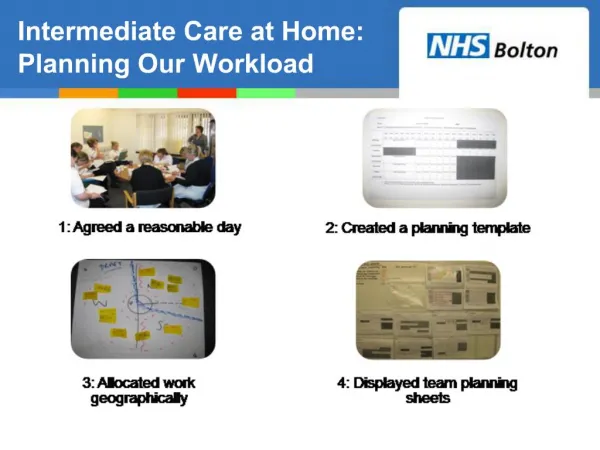
Introduction What Is Workload Planning? Workload planning is a strategic process that entails assessing, allocating, and dealing with tasks and responsibilities within team or organization to optimize productiveness and achieve the desired outcomes. At its core, workload planning aims to ensure that the available resources, including human capital, time, and different assets, are correctly utilized to perform assignment objectives while maintaining healthy stability between workload and capability. The procedure starts with understanding the scope and requirements of a project or initiative, identifying the tasks and deliverables involved, and assessing the capabilities and availability of group participants. With this data, workload planners can distribute responsibilities aligned with individual strengths, availability, and project timelines. What Will We Learn? Here, we will learn the importance of workload planning.
Importance Let’s Know The Importance Of Workload Planning 1. Resource Optimization It ensures that the employees utilize the available resources, including human capital, time, and also the financial assets, to maximize the productivity and decrease waste. 2. Prevents Burnout By distributing tasks evenly and considering the capacities, workload-planning help prevent burnout among team members, fostering a sustainable work environment. individual 3. Meeting Deadlines The Effective workload-making plans ensure responsibilities are prioritized and the scheduled to meet project deadlines and deliverables, improving project success and client satisfaction.
Importance Let’s Know The Importance Of Workload Planning 4. Balancing Workloads It allows for balancing the workloads throughout teams & individuals, avoiding situations where some team members are overwhelmed with tasks while others are underutilized. 5.Improves Decision Making With the clear visibility into resource allocation and also the assignment distribution, workload planning offers some precious insights for making informed decisions. the 6. Enhances Collaboration By selling the transparency and communication regarding task assignments, workload planning fosters collaboration among the team members, leading to the project execution & outcomes.
Conclusion Workload planning isn't just a task—it's a strategic imperative that drives organizational excellence and nurtures individual well-being. By embracing the principles of workload planning, organizations can unlock untapped potential, amplify productivity, and cultivate a workplace where success is not just achieved, but sustained in the long run. As we navigate the complexities of modern work environments, let us recognize the transformative power of workload planning and harness it as a catalyst for growth, resilience, and fulfillment. https://empmonitor.com/blog/manage-workload- planning/