Understanding Symbiosis and Ecological Interactions in Ecosystems
Dive into the fascinating world of ecosystems with a focus on symbiosis—where biotic components interact. Explore the three main types: parasitism, mutualism (illustrated by lichen—algae and fungus), and commensalism. Learn about the vital roles of producers, consumers (herbivores, carnivores, omnivores), decomposers, and scavengers. Discover food preservation methods and the importance of microorganisms. Understand food chains, energy flow, and nutrient cycles. This chapter provides a comprehensive view of ecological interactions central to life on Earth.

Understanding Symbiosis and Ecological Interactions in Ecosystems
E N D
Presentation Transcript
Grade7 Science Unit 1 InteractionsWithin Ecosystems Chapter2
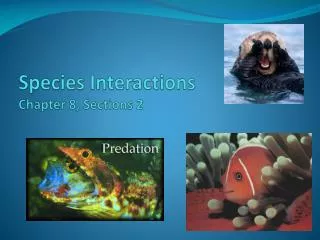
Symbiosis Interactionsbetweenthe biotic partsoftheenvironment. Thereare3 types: Parasitism Mutualism Commensalism 1. 2. 3.
1. Parasitism Oneorganism willbenefit(the parasite)and theother isharmed (thehost).
2. Mutualism Both organism benefit. Lichen=algae+fungus
3. Commensalism Oneorganism benefits whilethe otherneithergainsor loses.
CoreLabActivity 1-2Bp. 22 SaltySeeds
Rolesof Organisms in the Ecosystem Producers Consumers Decomposers Scavengers 1. 2. 3. 4.
1. Producers Plantscan producetheir own foodfrom theabiotic environment.(photosynthesis) Water+carbondioxide+Sunlight Food(sugar)+oxygen
2. Consumers Animalsmustconsume,eat otherorganisms.(thebiotic environment) Canbeclassifiedas...herbivores,carnivores,oromnivores.
Herbivore: Animalsthat eat ONLYplants (producers).
Omnivore: Animalsthat eat both plants ANDanimals.
Carnivore: Animalsthat eat ONLYother animals.
3. Decomposers Organismsthat breakdown dead andwastematerialsinto their basicparts. Theyreleasechemicals that breakapart dead tissues and andabsorbthenutrientsfor ownuse. cells their
Examplesinclude bacteria and othermicroorganisms,fungi and worms.
4. Scavengers Animalsthat eat decaying animalsand wastematerials. Examplesinclude vultures,dungbeetle larvae,houseflies,crows andsomegulls.
Microorganisms... arefound in a varietyof (air,soil,water) habitats playimportant roles inrelation to human foodsupplies havebeen studied to enhance foodpreservation techniques
Conditions thataffect Microorganism Temperature Moisture Light Acidity Salinity Growth 1. 2. 3. 4. 5.
Food Preservation Createsanenvironment which destroysexistingdecomposers andthen prevents or slowsdown theirgrowthrate.
Methodsof Food Preservation Pickling Salting Drying Smoking 1. 2. 3. 4. (theabovestarted outof necessity)
Refrigerating Freeze-drying Radiation Canning 1. 2. 3. 4. (Theseare more modern and technologybased.)
Food Chains Thetransferof energy from organismto organism.Arrows show thedirection of energy flow. Greenplants arethe food(energy) sourcefor allconsumersand decomposers.
Producers Primary Consumers Secondary Consumers
A Sample Food Chain
Food Webs Interconnecting foodchains.
A Marine Food Web
Energy Pyramids Describesthe gradual energyinfoodchains loss of About10% islost asyou move fromone level tothe next and 10%ofthenewenergyislostas youmoveup and soon.
Note:Energypyramidsare notexact.Energyistransferredtoothertypes(eg.heat)asitmovesfromoneleveltothenext. ie.Notallofthe10%is transferred. Energyinhawk:10J Energyinweasel:100J Energyinmice:1000J Energyingrass:10000J
Nutrient Cycles Nutrients,such asnitrogen carbon,arerecycledin the environment. and Allorganismsareeventually recycledand their nutrients are returnedto thesoilbytheaction ofdecomposers.