Reactions and Corrosion
100 likes | 213 Vues
Learn about how chemical and physical changes occur, the energy involved, and how corrosion affects metals. Discover traditional chemical technologies and cultural practices involving chemical changes.


Reactions and Corrosion
E N D
Presentation Transcript
3.3 – pg. 99-100 Reactions and Corrosion
Think back to last class: Do you remember the rotting apple? What changes occur as the apple rots? Chemical Change: Ethene gas is produced as the apple rots Physical Change: Apple juices evaporate (a change of state)
Chemical and Physical Changes and ENERGY! • Chemical and physical changes can happen at the SAME TIME! • Rotting apple • Explosions • REVIEW: Physical and Chemical changes are accompanied by ENERGY CHANGES!
Exothermic Reactions • Involves the release of energy in the form of heat and light • “exo-” means “leaving” • Causes the temperature of the immediate surroundings to rise Reactants Products + Heat Examples: • Explosions
Endothermic Reactions • Involves the absorption of energy • “endo-” means “entering” • Causes the temperature of the surrounding environment to cool Reactants + Heat Products
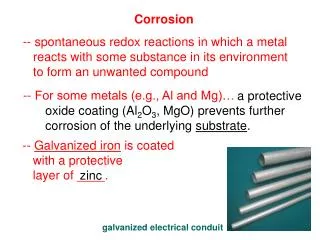
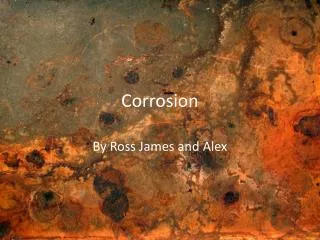
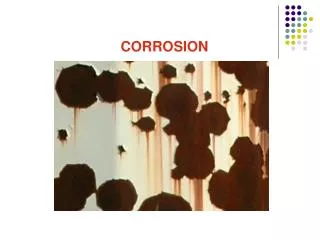
1. CORROSION • Corrosion: the process of metals breaking down Example 1: Steel ferries in BC are prone to rusting • Rust: the product of a chemical change between iron and water • Solution: apply several coats of paint or attach zinc metal to the hull (the Zn will erode instead of the hull)
Example 2: Aluminum corrosion • Al corrodes easily BUT this is a benefit! • The product, aluminum oxide, forms a smooth surface that prevents further corrosion! Example 3: Colour Change • Some corrosion can improve appearances • The blue-green “patina” that forms on copper contains many corrosion products
2. Using Chemical Change for Traditional Products • First Nations of Canada use traditional chemical technologies to manage natural resources • tanning hides, making dyes and medicines, and preserving food Example 1: Drying fish in smokehouses • Drying is a physical change that removes water from the fish • Smoke causes chemical changes in the meat that kill bacteria
Example 2: Burning oolichan oil • Improves the flavour of smoked meat and provides a dietary source of fat, iodine, and vitamins • Contains so much oil that the fish will burn if set on fire