Rethinking Software Process Improvement Paradigms: Insights from ISERN Meeting 2000
This document discusses contrasting paradigms in Software Process Improvement (SPI) as presented at the ISERN Meeting in Hawaii (2000). It explores the limitations of traditional SPI methods in adapting to varying project sizes, particularly in the context of recent trends like incremental and component-based development. The text highlights the need for a balance between disciplined, formal processes and more creative, flexible approaches that foster cooperation and adaptation to customer needs. It questions whether current certifications adequately reflect the dynamic nature of software development.

Rethinking Software Process Improvement Paradigms: Insights from ISERN Meeting 2000
E N D
Presentation Transcript
SPI Approaches and their Research MethodsISERN Meeting, Hawaii, 8-10 Oct. 2000Reidar ConradiSoftware Engineering GroupDept. of Computer and Information Science (IDI)NTNU
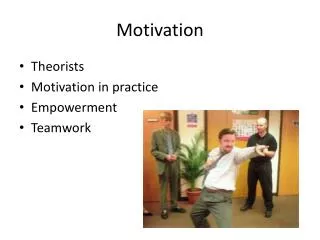
Motivation • [Rifkin99]: process refinement (classic telecom) vs. product innovation (Web-companies). • Have we given industry the “wrong” SPI paradigms and methods? • Cannot apply the same methods in small and large projects / companies. • Recent trends on incremental / component-based development -- unfit to “classic” SPI?
Disciplined vs. Creative work • Disciplined: following a preplanned / prescribed formal process (“military” way). Positivist/objective: hard data, data analysis. • Creative: cooperation, negotiation w/ customers and managers, not all preplanned, much improvisation (“Italian” way). Constructionist/subjective: influence, find out what really happens, action research. • “Odd couple” [Glass95] must be combined.
Procurer-oriented vs. Customer-oriented • Procurer: minimize risk -- so certification à la ISO-9000, CMM etc. Same procedure fits all, disciplined process? => Internal and formalistic, top-down? • Customer/user: want quality -- needed functionality at optimal time/price. Specific to need, creative process? =>External gains, quality chain, bottom up? • How to combine internal/external view?