Comprehensive Guide to Warehouse Planning and Management Practices
This guide outlines essential aspects of warehouse planning and management, including FIFO procedures, tail number bins, bench stock, and the Due-in From Maintenance (DIFM) process. It covers the significance of effective storage policies, types of storage facilities (covered vs. open), and the importance of a well-structured warehouse layout. By considering activity levels and handling requirements for different items, including hazardous materials, this guide aims to improve inventory management and ensure operational efficiency in warehouses.

Comprehensive Guide to Warehouse Planning and Management Practices
E N D
Presentation Transcript
Objectives • Describe warehouse planning and management • Describe first in, first out (FIFO) procedures • Describe tail number bins • Describe bench stock • Describe the Due-in From Maintenance (DIFM) process
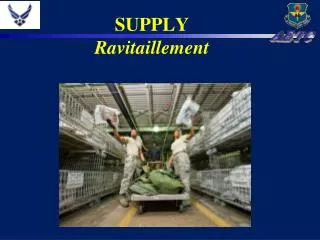
Warehouse Planning & Management • Storage Policy • Store by commodity • After receipt processing, property moved for delivery or to storage • Two types of storage facilities • Covered and open storage
Warehouse Planning & Management • Covered - storage space within a roofed structure; best protection against adverse weather conditions • General purpose, refrigerated, flammable/hazardous material warehouses, sheds • Open Storage - uncovered space used for storage purposes; designed for storing items that do not require protection from the weather • Improved • Unimproved
Warehouse Planning & Management • Warehouse Layout - storage space = basic resource • Aisle positioning • Working/non-storage areas • Allowable floor loads • Sprinkler systems • Size of the warehouse • Number of stockrooms • Number of bins or pallets that will hold the property • Number and size of warehouse doors • Location of lights, lighting circuits, and switches
Warehouse Planning & Management • Storage Areas • Space must be used wisely • Must be planned before start of storage operation • All stored material must face an aisle • Similar handling requirements stored together • Consider activity or popularity of items during layout planning • Some items require special consideration (hazardous, pilferable, perishable, etc.)
Warehouse Planning & Management • Special Storage, Handling & Inspection Requirements • Controlled items • Functional check prior to issue • Hazardous commodities • Assets pending modification • Warranty/guaranty items • Shelf-life control
Warehouse Planning & Management • Shelf-Life Coded Items – item of supply that has deteriorative characteristics • Type I – items with a definite non-extendable shelf-life • Type II – items with a shelf-life that may be extended after an inspection or a test • Hazardous Materials • Hazardous materials management – characteristics that require specialty storage or handling to prevent risk to personnel or the facility • Stored according to compatibility
Warehouse Planning & Management • Four types of hazardous items: • Corrosives storage • Flammable storage • Cylinder storage • Low Hazard Materials storage
Warehouse Planning & Management • Primary locations for serviceable items • Bin labels • Bar-coded labels to aid in inventory • Inventory counts • Maximum Use of Stock • First In, First Out
FIFO & Shelf-Life • FIFO • When issuing property, select the items with the closest use by date first. If materiel does not have a use by date, then select the items with the oldest date stamped on the package
Tail Number Bins • Set up by tail number, serial number, or identification number • Must not be released without documentation • Items not installed that duty day must be returned • Maintain security and control of assets
NSN • National Stock Number • Identifies a specific item • Only number supply computer system recognizes • Standardizes ordering system • Used by all federal agencies
NSN • Interchangeable items • Items that can be exchanged one for another, issued automatically if master NSN is not available • Substitute items • Items that can be exchanged under certain conditions, must get approval first
Bench Stock • Low cost, high demand consumable items • Historical data to recommend what items are needed and what quantity • Stored in maintenance work area/ready access • Reduced work load for logistics support • Items ordered in bulk • Disadvantages • Purchased at time of replenishment • Storage space • Coordinating inventory with LRS • Stocks no longer visible in supply systems
Bench Stock • Examples of bench stock items: • Nuts • Bolts • Cotter keys • Washers • Resistors • Capacitors • Light bulbs • Sealants • Batteries
Due-in From Maintenance • Depot level reparable items • Must be turned in for repair/credit • Line Replaceable Unit • Shop Replaceable Unit • Not Repairable This Station
Summary • Describe warehouse planning and management • Describe first in, first out (FIFO) procedures • Describe tail number bins • Describe bench stock • Describe the Due-in From Maintenance (DIFM) process