Void Cheques and International Limits: Canada 2025
0 likes | 2 Vues
Void cheques lack SWIFT/BIC codes, limiting them to domestic use for ~10% of global transactions [FCAC, 2025]. LifeBuzzu2019s 2025 guide aligns with international insurance planning [LifeBuzz.ca, 2025]. Clarifies 2025 cross-border banking.<br><br>https://lifebuzz.ca/canada/what-is-a-void-cheque/


Void Cheques and International Limits: Canada 2025
E N D
Presentation Transcript
Menu Home › Canada Resources › What Is A Void Cheque? Why It Matters in … LATEST NEWS CANADA RESOURCES What Is A Void Cheque? Why It Matters in Canada? What Is A Chequing Account? Best Practice For Potential Savings by Ben Nguyen May 22, 2025, 6:05 am 754 Views Annuities in Canada: Retirement Income Made Simple What Is A Void Cheque? Why It Matters in Canada? How To Write A Cheque In Canada? Guide in 6 Simple Steps What is Retirement Age in Canada? What is Adjusted Cost Base (ACB) and Why It Matters? What is A Void Cheque? A void cheque is physically annotated with the term “VOID” across the front to prevent unauthorized usage while providing necessary account details to enable direct financial transactions. Despite the decline in cheque usage, void cheques remain relevant for specific financial transactions. Whether you’re starting a new job, setting up recurring bill payments, or arranging mortgage withdrawals, knowing how to obtain and use a void cheque properly ensures smooth financial transactions. What is a Void Cheque? A void cheque (voided cheque) contains valid account details but cannot complete payments. Prominently labelling it “VOID” across the front prevents depositing/cashing while still allowing data sharing to enable digital transfers. Originally, bankers physically voided paper cheque leaves by marking them. However, digitally generated void cheque templates qualify equally. Both formats contain critical
banking details, including your transit number, institution number, and account number, which are essential information for setting up electronic fund transfers. Why Would You Need a Void Cheque? Voiding eliminates payment abilities while retaining account details needed for essential services. This hinders fraud by preventing amount/payee alterations. Void cheques primarily enable: Direct Deposit Payroll: Employers often request void cheques to establish direct payroll deposition. Void cheques provide the necessary transit number, institution number and account number for accurate electronic salary payments. Pre-Authorized Payments: Void cheques also facilitate automated bill payments to service providers by permitting withdrawals from the account details supplied. Common examples include mortgage, loan, insurance premium, phone/internet, utilities, and subscription payments. Account Verification: Financial institutions sometimes use void cheques as a verification method when you’re opening new accounts or services. The void cheque proves you have authority over the banking account. Security When Voiding Erroneous Cheques: If errors occur when cheque leaves are filled out, promptly voiding them adds vital security. Visibly labelling them “VOID” across the front minimizes fraud potential if lost before shredding. How Do You Void a Cheque? Void your cheque in 4 steps To void cheques properly:
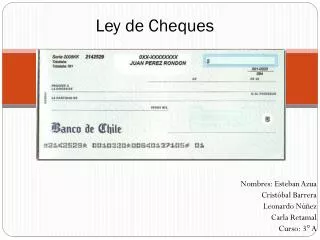
1. Use Black or blue Permanent Ink to prevent the alteration of “VOID” markings. Use a broad pen or marker. 2. Write “VOID” in large, capital letters across the front of the cheque. Make sure the word covers most of the blank space on the cheque. Be careful not to write over the numbers at the bottom of the cheque. 3. Omit Signature to hinder unauthorized usage if markings are modified. 4. Keep the transit, institution, and account numbers visible for data sharing purposes. Carefully voiding cheques enables secure account data access while eliminating payment risk. How to Read a Void Cheque? A void cheque contains critical banking information that identifies your financial institution and specific account. At the bottom of every Canadian cheque, you’ll find a series of numbers (known as MICR—Magnetic Ink Character Recognition). These numbers appear in a specific order from left to right: 1. Transit number (branch number): This five-digit number identifies the specific branch of your bank or credit union where you opened your account. Even if you move to another city or province, this originating branch number remains the same. 2. Financial institution number: This three-digit code identifies your bank or credit union. Each Canadian financial institution has a unique identifier. For example, RBC is 003, TD is 004, CIBC is 010, etc. 3. Account number: This is your personal bank account number, which can be between 7-12 digits depending on your financial institution. This number uniquely identifies your specific account. Beyond these critical banking codes, a void cheque also contains: Your full name as it appears on your account Your home address Your bank branch address The cheque number (usually in the top right corner) The date field (which remains blank on a void cheque) The amount field (which remains blank on a void cheque) The signature line (which should remain unsigned on a void cheque) How Do I Get a Void Cheque? Here are the primary ways to get a void cheque in Canada: If you have a Chequebook The most straightforward approach is to take a cheque from your chequebook and write “VOID” across it as described earlier. This physical void cheque can then be provided to
the requesting organization. Online Banking Most Canadian financial institutions now offer digital void cheques or direct deposit forms through online banking platforms. The process varies slightly between different banks. CIBC Void Cheque Simplii Financial Void Cheque What Are Alternatives to Void Cheques? Many financial institutions offer direct deposit forms that contain the same information as a void cheque. These can be downloaded from online banking, obtained at bank branches, or sometimes emailed to you upon request. Otherwise, you can manually enter your banking information for many services rather than providing a void cheque. However, manually conveying data lacks an official bank source from which payors can independently verify data accuracy. Void Cheque vs Direct Deposit Form Both documents serve the same essential purpose, but are not identical documents. FEATURE VOID CHEQUE DIRECT DEPOSIT FORM Format An actual paper cheque with Taken from a personal chequebook “VOID” written across it Source Taken from personal chequebook Obtain through online banking or at your branch Informatio Transit number, institution Same as a void cheque n provided number, account number, personal details Acceptabili Universally accepted for setting Accepted by most organizations, though ty up banking connections some specifically request void cheques Security Secure when properly voided Equally secure when handled properly level While these alternatives serve the same fundamental purpose as void cheques, some organizations still specifically request void cheques due to established policies or verification requirements. Always check with the requesting organization about acceptable formats for providing your banking information. Can Someone Misuse My Void Cheque? While a properly voided cheque cannot be used as a payment instrument, the banking information it contains should still be treated with care. In the wrong hands, your banking information could potentially be used to create unauthorized pre-authorized debits from
your account. Consider the following protective measures: Share selectively: Only provide void cheques to trusted organizations and individuals. Use authorization forms: For pre-authorized debits, complete proper authorization forms that specify exact amounts and frequencies. Monitor your accounts: Regularly check your bank statements for unauthorized transactions. Report concerns promptly: Contact your financial institution immediately if you suspect misuse. Destroy properly: Shred unused void cheques rather than throwing them away intact. A blank (unvoided) cheque poses a much greater risk than a properly voided one, as it could be filled out, cashed, or deposited. Always ensure cheques are clearly marked as void when sharing banking information. Refer to our guides for more insights on How to write a cheque in Canada. FAQs about Void Cheque in Canada Does a void cheque need to be signed? No, a void cheque does not need to be signed. In fact, for security purposes, it's better not to sign it. The purpose of a void cheque is simply to provide banking information, not to authorize any specific transaction. Leaving it unsigned helps ensure it cannot be misused as a payment instrument. What happens if I give someone a blank cheque instead of a void cheque? Providing a blank cheque (without writing "VOID" across it) creates significant risk, as it could potentially be filled out with any amount and cashed or deposited. A blank cheque essentially provides someone with direct access to your funds, while a properly voided cheque only provides the information needed to set up electronic transfers that you've authorized. Can I use a void cheque for international transactions? A standard Canadian void cheque typically doesn't contain the international banking codes (such as SWIFT/BIC codes or IBAN numbers) required for international transactions. For international banking connections, you'll usually need to request specific international banking details from your financial institution in addition to or instead of a void cheque. Do I need to void a new cheque every time I need to provide my banking information? No, you don't need to void a new cheque each time. If your banking information remains the same, you can make copies of your original void cheque for multiple uses, save a digital scan of your void cheque, use a direct deposit form from your bank instead, or reuse the digital void cheque provided through your online banking. Summary
Void cheques provide a secure and standardized method for sharing the banking information necessary to establish electronic connections to your account. Understanding how to obtain, use, and protect your void cheque information helps you control financial transactions efficiently while maintaining security. Article Sources: Rate this post Want more stuff like this? Get the best viral stories straight into your inbox! Your email address SIGN UP Don't worry, we don't spam Written by Ben Nguyen Ben Nguyen is an award-winning insurance expert and industry veteran with over 20 years of experience. He is the chairman and director of IDC Insurance Direct Canada Inc., one of Canada's leading online insurance brokerages. Ben is renowned for his extensive knowledge of life, health, disability, and travel insurance products. He is the prolific author of over 1,000 educational articles published on LifeBuzz, BestInsuranceOnline, and InsuranceDirectCanada. His articles provide Canadians with advice on making smart insurance decisions. With a Bachelor's degree in Actuarial Science and a Fellow of the Canadian Institute of Actuaries (FCIA) designation, Ben is frequently interviewed by media as an insurance industry spokesperson. He has received numerous honors including the Insurance Council of Canada’s Pivotal Leadership Award, the Canadian Insurance Hall of Fame induction, and the President’s Medal from the Canadian Institute of Actuaries. Ben continues to shape the vision and strategy of IDC Insurance Direct as chairman. He is dedicated to advancing the insurance industry through his insightful leadership.
MORE FROM: CANADA RESOURCES What Is A Chequing Account? Best Practice For Potential Savings by Ben Nguyen May 28, 2025, 7:08 am How To Write A Cheque In Canada? Guide in 6 Simple Steps by Ben Nguyen May 20, 2025, 7:25 am What is Adjusted Cost Base (ACB) and Why It Matters? by Ben Nguyen May 12, 2025, 12:28 am Body Mass Index (BMI) in Canada: Tips for Healthy Living by Ben Nguyen May 10, 2025, 1:43 am Being A Beneficiary Of A Will In Canada: What’s To Expect? by Ben Nguyen April 26, 2025, 6:59 am Pooled Registered Pension Plan (PRPP): How Does It Works by Ben Nguyen April 15, 2025, 5:54 am
HOW TO REACH US LIFE INSURANCE LifeBuzz Content Canada C/O ORCA Financial Publishers 36 Toronto St, #850 Toronto, ON M5C 2C5 Life Insurance LifeBuzz provides news, insights, and analysis on the Canadian life insurance industry. We aim to be the top information resource to help Canadians make informed choices about life insurance. Family Life Insurance Permanent Life Insurance Term Life Insurance Universal Life Insurance Whole Life Insurance Life Insurance Companies hello@lifebuzz.ca DISCLAIMER The content on lifebuzz.ca is for informational purposes only and is not intended as financial advice. Please consult a professional financial advisor for guidance specific to your circumstances and coverage needs. LifeBuzz is an independent news site not affiliated with any life insurance companies or providers. We adhere to strict editorial standards and aim to provide objective, unbiased reporting and comparisons. © 2025 LifeBuzz Content Canada by ORCA Financial Publishers