Download
1 / 22
230 likes | 353 Vues
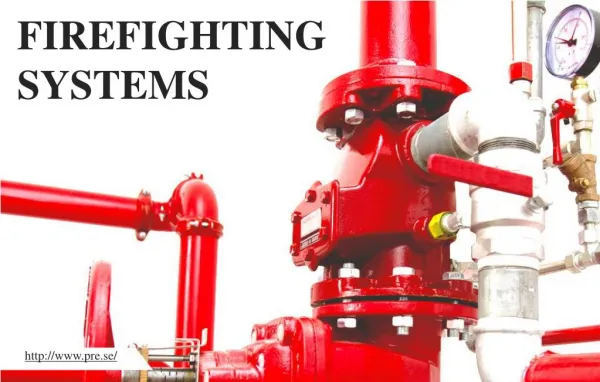
This presentation explores computational modeling as an alternative to full-scale testing of tunnel fixed fire fighting systems. It highlights key modeling bases such as energy analysis for estimating water application rates and the dynamics of fire and extinguishment. The authors discuss comparisons between modeled and tested results for various fire scenarios, emphasizing the importance of defining fuel properties and structures. Ultimately, the findings suggest that computer modeling can effectively predict system performance and interactions between water and fire, reducing the need for extensive testing.

E N D
Computational modelling as an alternative to full-scale testing for tunnel fixed fire fighting systems Kenneth J. Harris & Bobby J. Melvin Parsons Brinckerhoff Sacramento, CA USA E-mail: harris@pbworld.com Presented By Aaron McDaid
Key modeling bases • Fundamental energy analysis can be used to estimate water application rates. • Subroutines that model the key elements of solid and liquid vaporization have been written. • Subroutines that model the key elements of combustion energy have been written.
Comparison of model and test results for 12 mm/min. suppressed fire
Comparison of model and test results for unsuppressed and 12 mm/min. suppressed fire
Conclusion • Computer modelling provides a more cost-effective means of demonstrating proposed system performance. • The fuel vaporization process is well-defined in fire science and the computer models can be set up to utilize this approach. • Some significant differences in modelling are required for this approach. • The fuel properties and structure must be explicitly defined. • Comparison with a test is beneficial to calibrate the model. • Modelling of the unsuppressed fire in particular can produce results very close to that shown in testing. • Modelling of fire suppression can provide results that give a reasonable degree of confidence of what can be expected of the system. • Computer modelling can be used to model the interaction of water and fire for design purposes, making individual full-scale testing unnecessary and making FFFS more likely to be implemented in road tunnels. • Pyrolysis-based input rather than fire heat release rate input should be used to more accurately model the effects of water and fire interaction.
FSI 2014 Fire Sprinkler International • Thank you