Download
1 / 34
340 likes | 460 Vues
This seminar addresses common endocrine disorders, emphasizing thyroid diseases and diabetes. Key topics include the physiological roles of thyroid hormones (T3, T4, calcitonin) and the impact of insulin in diabetes management. Participants will explore the symptoms associated with these disorders, such as changes in energy levels, muscle atrophy, emotional disturbances, and alterations in metabolic processes. Understanding the mechanisms of hormone secretion and feedback is crucial in effectively treating these conditions, enabling personalized therapeutic approaches for affected individuals.

E N D
Endocrine System Disorders, Chapter 21 Converting Between Measurement Systems, Chapter 8: Pages 150 – 152 Calculating Doses of Nonparenteral Medications, Chapter 9: Pages 164-177 Thyroid and Diabetes Ratio-and-Proportion
Mental deviations • Changes in energy levels • Growth abnormalities • Skin, hair, and nail changes • Muscle atrophy (wasting) • Emotional disturbances (mood changes) • Edema • Changes in blood pressure • Sexual irregularities Common Symptoms of Endocrine Diseases
Extremely complex • Involves many organs (regulated by hormones) • seminar will focus on Thyroid disorders and Diabetes Endocrine system
Hypothalamus | \/ TRH Anterior Pituitary | \/ TSH Thyroid Gland** | \/ Thyroid Hormones ------------------ (negative feedback on anterior pituitary) Thyroid Feedback System • TRH- Thyroid Releasing Hormone • TSH- Thyroid Stimulating Hormone • Thyroid Hormones- T3, T4, Calcitonin • **Thyroid gland requires iodine for thyroid hormone formation • Negative feedback: • Increased blood levels-> ant pit releases less TSH • Decreased blood levels-> ant pit releases more TSH
Located in the neck • Made up of 2 ‘lobes’ (on either side of the larynx) • The 3 hormones secreted by Thyroidare … • Thyroxine (T4) • Tri-iodotyhronine (T3) • calcitonin • TSH (Thyroid-Stimulating Hormone) • Secreted by the anterior pituitary gland • TSH controls the secretion of T3 and T4 (see table 21-5 on page 411) Thyroid Gland
Protein synthesis • blood sugar (glucose) levels • serum cholesterol levels • Rate of metabolism • normal mental development and growth • T3 and T4 require iodine for production ! • Diets low in iodine may lead to goiter, enlarged thyroid What do T3 and T4 do?
Causes • Radiation therapy • Lack of iodine • Surgical removal of thyroid • Pituitary dysfunction • Symptoms • Weight gain • Fatigue • Feeling ‘cold’ all the time • Unable to concentrate Hypo (Low) Thyroid levels
Old method: extracted from endocrine glands of animals • New method: Synthetically prepared • Gradually adjust dose for patient needs • Life Long Therapy is the norm … • Can be … (see table 21-2, page 413): • T3 (example Cytomel- liothyronine ) • T4 (example Levothroid/Synthroid/Levoxyl-levothyroxine) • Combo of T3 and T4 (examples thyroid desiccated, Thyrolar) • Approved for supplemental or replacement needs of hypothyroidism Oral Thyroid Replacement
Not used for obesity ! • Doses required for weight loss could be life threatening • Effects of overdose (like hyperthyroidism) • Symptoms include • Psychotic behavior • Diarrhea • Increased blood pressure • Increased heart rates • Cardiovascular reactions • Long term use associated with osteoporosis in post-menopausal women Thyroid Replacement
Life long therapy • Take in the morning on a empty stomach to avoid insomnia. • Palpitations, nervousness, and headaches may be signs of toxicity • Monitor by blood levels • Ok for use in pregnancy Patient Ed: Thyroid Replacements
questions ???? ……….… Questions?
For the treatment of Hyper-thyroid • Hyper-secretion of thyroid hormones • Causes • Tumors • Autoimmune diseases (Graves’ disease) • Symptoms • Increased cell metabolism • Weakness • Anxiety • Heat production Anti-thyroid Medications
Irradiation of thyroid gland • Surgical removal of thyroid • Anti-thyroid Medications: • Interfere with production of thyroid hormones • Iodine or iodide ions • Radioactive iodine (Iodine 131 destroys the thyroid) • Thionamide derivatives • BEWARE!crosses placenta, stops fetal thyroid development! • Removal or destruction of the thyroid will result in the need of life time replacement therapy. • Not as common as Hypothyroidism Cont, Treatment of Hyperthyroidism
… do you have a question? I have a question …
The Pancreas secretes hormones : • Insulin • Glucagon • These hormones regulate metabolism of protein, fat and most importantly carbohydrates • Sixth leading cause of death in U.S. • Effecting >16 million Americans ! Diabetes -Hyperglycemia
Type One Type Two • Juvenile onset • Rapid development • 5-10% of Diabetics • No Insulin produced • Symptoms: Thirst, Urination, and Weight Loss(thin) • Glucose levels fluctuate with activities, illness • Adult onset (>40) • Gradual development • Family History • 90-95 % of Diabetics • Insulin resistance or decreased insulin • May be asymptomatic • Obesity a major factor 2 Types of Diabetes –be able to compare the two types and explain differences !
Diet limiting carbohydrates ( too bad … love those carbs!) • Control body’s use of glucose by consistent exercise, medication. • Drugs fall into 3 categories • Insulin • Oral Hypoglycemic agents • Drugs that affect glucose absorption or production Treatment of Diabetes
Purpose of Insulin • (1)Aids in the utilization of glucose as energy • (2)Prompts the storage of excess glucose as glycogen in liver • (3)Responsible for conversion of glucose to fat. • Decreases blood glucose levels, but if becomes too low, glucagon stimulates the breakdown of glycogen to increase glucose to bring blood sugar levels to normal • Usually given SQ injection • Dose is individualized, and changes over time Insulin
Rapid or Quick Acting • Ex: Insulin Lispro and Insulin Asparte • Onset: 5-minutes, -Duration: ~3hr • Short Acting: Regular Insulin (R) • Onset: 30-minutes, -Duration: ~6hr • Intermediate: NPH Insulin (N) • Onset: 2-hours, -Duration: ~20hr • Long Acting: Lantus Insulin • Onset: 4 to 6-hours, -Duration: ~24hr Insulin Types
Generally well tolerated • May cause allergic reactions • a different product can eliminate this problem • Weight Gain common side effect of Insulin Therapy • Hypoglycemia is the most common side effect • Beware of skipping meals! • Rotate injection sites • Wear medical identification • Patient should ask before taking OTC medications • Monitor blood sugar! Extra-credit: who says … “Check it, check it often … it’s the right thing to do!” Insulin: Patient Education
Have any of these? QUESTIONS
Must have some insulin production in pancreas to use oral medications • Used in Type II after diet and exercise fail • A patient who loses weight may be able to discontinue medication Oral Medications
Sulfonylureas**we will be discussing today • Biguanides • Alpha-glucosidase inhibitors • Thiazolidinediones • Metglitinides • Amulin/GL-1 analogs Classes of Oral Antidiabetic Medications
First oral agents • Two groups • First generation • Second generation • Second Generation • Most potent, effects with lower doses and last longer • Once daily dosing • (See table 21-10 Page 429 for more info) • Examples Glipizide, glyburide Sulfonylureas
No direct insulin activity, increases insulin-secretions (of no use in treatment of Type-I … WHY?) • Most common side effect, Hypoglycemia • More severe with elderly • Must keep strict diet time and well balanced meals • Adverse reactions • Photosensitivity • Jaundice • Rashes • Should not be used in Pregnancy • Become less effective after 10 years use. Many type II’s will have to use insulin for control in later years. • Avoid Alcohol beware disulfram reaction Sulfonylureas continued
Chapters 8 and 9: Converting Between Measurement Systems
…“to change from one form to another” • Necessary in medical field (no world standard) • When numbers are converted from one system to another, they will be approximately equal why Convert ? …
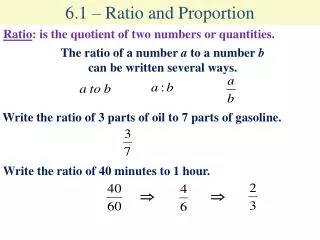
Excellent method! (have I mentioned these are my favorite) ** Please see the ‘practice-sheet’ I made for you in DocSharing. • Ratio—expression comparing two quantities • separated by colon or written as fraction (1:3 or 1/3) • Proportion—comparing two fractions(ratios) considered to be equall • 1:2 and 2:4 same as 1/2 = 2/4 Ratios and Proportions … my favorite!
Numerators must be same units • Denominators must be same units • 1 mL : 15 gtts is the same as 2 mL : 30 gtts • 1 mL/15 gtts = 2 mL/30 gtts Ex: How many gtts in 5 ml’s? 1 ml5ml 15*5=1x 15 gttx gtt 75=1x 75/1 = x x = 75 gtt Solving Unknown Variables
Either method will allow you to solve for X • Notice both are arranged as g/ml (grams/ml) • (both have ‘like’ UNITs in the same position on both sides of the equal sign - Important!) Solving Unknown Variables
A physician orders Tylenol 0.65 gram but when you check your inventory you notice you have Tylenol 325mg tablets. How can you fill this prescription? • 1. How can we make our units equal? • 0.65g => 650mg (move decimal 3 units to the right) • 2.Cross multiply & divide (650mg*1tab / 325mg) to solve for X • X = 2 tab =dose • in other words, 2 of the (325mg tablets) = 650mg =0.65 grams 1 tab X tabx = 2 tab 325mg 650mg cross-multiplying
MD orders penicillin 500mg tid. You check your inventory and have 250mg/5mL solution available.How many teaspoonfuls of medication are needed per dose? Per day? • 1. Ensure units are equal (both are mg’s) • 2. Cross multiply to find out how many ml’s are required per dose (5mL * 500mg / 250mg =10ml’s) 5 mlx mL 250mg 500mg X = 10 ml’s 3. To find out how many teaspoonfuls are needed, convert mL to tsp Remember 5mL=1 tsp, so 10mL = 2tsp 4. 2 tsp’sper dose 5. Since dose is 500mg (2tsp’s) tid need 6 tsp’sper day Volume Conversions
Md writes prescription for metoprolol 12.5mg bid, you have on hand metoprolol 25mg scored tablets. How many tablets would be required for a one month supply (30 days)? • How can you make a 12.5mg dose from 25mg ‘scored’ tablets ? Split them in half each half ( ½ tab) =12.5mg • 12.5mg bid x 30 days ½ tablet bid x 30 days • ½ tab* 2 (twice daily) = 1 whole tablet per day x 30days = 30 whole tabletsfor a one month supply • …hey, what if the directions were to take 12.5mg TID x30 days ? Scored Tablet Practice Problem
2.5 cmx cm 1 in 14 in An abdominal cavity was opened with a 14-inch incision. Convert this measurement into cm (centimeters) • Use this conversion factor: 2.5 cm = 1 inch • 2.5 cm / 1 in = x cm / 14 in • 2.5 x 14 = 35 • 1 x x = 35 • x = 35 • 14 inches = 35 cm Length Conversions