Understanding Global Wind and Ocean Currents Amid Climate Change
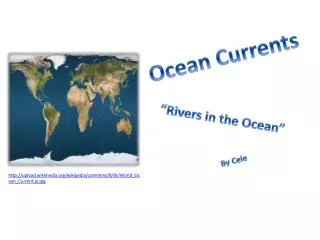
Explore the intricate dynamics of wind and ocean currents that shape our planet's climate. Learn how air behaves differently at the equator and poles due to Earth's size, influencing global weather patterns. Despite air rising at the equator and sinking at poles, cooling and warming processes alter this equilibrium as they travel. This science is crucial in the context of global warming and cooling, impacting ecosystems and weather. Join us in unraveling the complex interactions of atmospheric and oceanic systems as we address climate challenges.

Understanding Global Wind and Ocean Currents Amid Climate Change
E N D
Presentation Transcript
1. Worldwide Wind and Ocean Currents Science 10
2. Global Warming and Cooling of Air Air is warmest at the equator and coolest at poles So air should rise at the equator and sink at the poles However, due to the size of the Earth, air from the equator cools before it reaches the poles and air from the poles will warm before it reaches the equator