Download
1 / 55
550 likes | 677 Vues
In this presentation, Doug Wilson, a seasoned Threat Intelligence expert from FireEye Labs, explores how organizations can effectively build and scale their Threat Intelligence capabilities. Through a detailed agenda, he covers essential components of the Intelligence Cycle, addresses common questions about security maturity, and emphasizes the importance of aligning Threat Intelligence with business processes. The session provides insights into setting up workflows, automating processes, and gathering actionable intelligence. Learn how to leverage automation to scale your Threat Intelligence efforts for better security outcomes.

E N D
Scaling Threat Intelligence Practices with Automation How to build & scale a Threat Intelligence capability
Doug Wilson Manager at FireEye Labs Mandiant since 2009 2011 OpenIOC release 2012 Intel Group Infosec since 1999 Background in Incident Response Multi-tiered Applications Web Hosting @dallendoug on Twitter
Disclaimer • This presentation is drawn from my experience with employers, customers, and industry • No specific Products will be named • This presentation is not an endorsement by Mandiant or FireEye
Threat Intel Buzzword? Super Power? or Necessary Evil?
Agenda • Business process for standing upThreat Intel • Components of an Intelligence Cycle • Lessons Learned • How to make the Intel Cycle scale • And tips for small organizations
Is Threat Intel right for you? • Basic level of security maturity needed • before an Intel practice has any use • Do you have: • Insight into what is happening on your network • The ability to take action to control what is happening on your network • If not, Threat Intel is NOT for you, yet. . .
What is your focus? • Is your organization security or Intel focused? • Do you have Security or Intel SMEs on staff? • Do you have real resources to invest in Intel? • No to all these? • Threat Intel is NOT for you.
Getting started in Threat Intelligence Setting up a Threat Intel workflow
Intel meets Business Process PLAN • EXAMINE • IR data in your org and how it flows • WALK THROUGH • Abasic Intel lifecycle • See how each step would work with your org • PLAN AND RESOURCE • Determine what resources will be committed • And what steps will be followed
Intel meets Business Process IMPLEMENT • INCENTIVIZE • Make your new process matter • AUTOMATE • Make your new process scale • GET FEEDBACK • Make your new process better
Gathering Requirements • Why are you doing this? • Don’t just buy Intel because everyone’s doing it • Look at your current creators and consumers • Look at who you could empower with Threat Intel • If business units don’t understand “security,” translate for them. • Show value and reasons to care • This helps with incentivizing later • Look at what they can and can’t consume
Collection • Thought Process • What can we collect • What should we collect (and are allowed to?) • Out of that, what is useful • How do we get useful out of noise • And do that in a timely manner • How do we make useful standardized • How do we make useful scale?
Collection • Sources • IR • Feeds • Customers • Partners • And More
Collection: IR • What’s going on in your network may be your most important source of Intel • IR != conducive to time consuming reporting • Make the reporting part of process • Standardize SOD • Collect Indicators as part of normal workflow • Assist with debriefings • Privacy & Sharing Guidelines matter here
Collection: Feeds • All over the map in terms of quality • Many have LOTS of quantity • Need to ADD VALUE • You need to be able to consume it • Data for machines needs to be accessible via API • Ideally organized in a standard fashion
Collection: Customers • Very much depends on what your organization does • Get Feedback from them if possible and pertinent • Source of Intel? Possibly • Source of Customer satisfaction? Definitely • Lets you know if your Intel is useful • Lets you know if changes you make matter
Collection: Partners • Even more “it depends” than customers • Concerns about “sharing” are complicated by concerns about business • You can get things through partnerships you can’t get any other way • You can also waste a lot of time on this
Collection: on and on • Government organizations • Non-profit organizations • Open Source Intel from bulletins and blogs • Innumerable sources • Is there something you can use • Is it worth the investment you make to consume it • Is it API accessible and/or standardized in some way?
Storage • You have SO MUCH DATA. • Now where are you going to put it? • There is no “one answer” or magic product
Storage: requirements • Look for these things • Your staff knows how to work with the technology • Or you have the resources to staff to it • Accommodates storage and processing load • Both now, but also for X amount of time in the future • Needs to enable what you consume and produce • Needs to enable the analysis you intend to do • Not all DB are equal, or shaped the same • Not all are optimized the same
Storage: the hotness • Seeing a lot of graph databases used for analysis • Seeing a lot of “big data” solutions used for massive storage and queries across large amounts of data • Traditional and NoSQL databases, Map Reduce, distributed file/storage solutions and more • Consult an SME if you don’t have one in house
Connecting the Dots • Clustering Data (Tactical) • What matters to your organization • What sort of data do you have • What can you act on • Attribution example • Tactical benefits • Improved/Targeted Detection of what’ clustered • Basis for strategic defense decisions
Drawing the Graphs • Trending Data (Strategic) • After you gather enough data • Can show shifts in TTPs • Can show campaigns • Most importantly, it shows you change over time – and if that relates to changes you made • Metrics & Feedback, combined w/ other sources • Are you getting better or worse at dealing w/ adversaries over time?
Reporting • Most mature form of analysis • Can achieve several goals • Inform • Empower • Publicize • Again, how does your organization benefit? • Do what gives you Return On Investment (ROI) • Remember, ROI can be indirect
The Size and Shape of Indicators • In a perfect world, you create exactly what all consumers of your Intel need to consume • We’re very much not there yet • This is where standardization comes into play • The “lowering the barrier” idea • YOU have to create tools and utilities if you want adoption • Or incentivize their creation
Consumption of IOCs vs “Standards” • Remember, most orgs are NOT Intel or Security focused • Using Standards • We have a “one percenter” problem in Threat Intel • Most of our solutions are by the elite, for the elite • they require vast resources and high end personnel • We need to move past this • the consumer end of the Intel process is the first place to start • Most organizations’ ONLY contact with Intel is as consumers
Consumption of IOCs • Most people are REALLY HAPPY to receive Intel that they can use without any extra effort • The more the level of effort goes up, the more likely they are to walk away • Creating tools or translations that enable consumers to access your Intel is important • However, it usually not cheap, fast, nor easy
Feedback means metrics • Make sure you can MEASURE efficacy • Most companies have only anecdotal feedback • You have a lot of unanswered questions if you can’t measure whether what you are doing. • You can see • what works & what doesn’t • the effect of changes • how much or little you are helping your customers
Feedback feeds Requirements • Even without requests for new features, feedback helps you make your Intel better. • If there is a problem seen in the metrics, an automatic requirement should be to fix that. • Having the insight of measurable metrics can help you gauge future requirements and feature requests
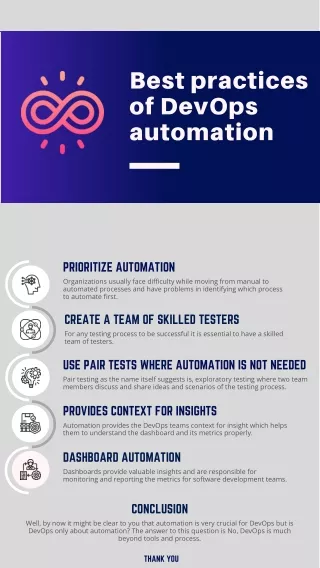
Automate to Empower • Humans are the limiting reagent • Hardest to find/acquire/replace • In Threat Intel, they do a lot of busy work • Automate to protect and empower them
Simple Steps • Step through your process • Determine what steps MUST have a human making a decision • Automate all the rest, starting with the lowest hanging fruit. • The more automation you put in place, the more time your personnel have to do their real jobs
Requirements • Plan systems to be expandable • If you succeed, your growth may be rapid! • Make investments in staff or resources • You don’t want to have to figure out big data after you’re there already • Make sure incentives and buy-in from others can scale as well
Collection • Only take in feeds that you really need • (Only take in ones you can automate) • Regularly evaluate what you are getting for your money or your effort • For groups of humans, make collection a part of other processes that have to be done anyways.
Analysis • Good tool selection can make or break your ability to scale • Make sure what works for 10 or 100 can grow to handle 10,000 and on • You will probably hire the most staff in this area – plan for that. • No amount of automation (yet) can replace a good analyst.
Dissemination • Standardization is your friend • You can’t please everyone • But you can come close with translation capabilities • Don’t fall into the “Document Trap” • IOCs are like Source Code – a LOT of the same tools for one work for the other • Automate Packages, Builds, and Tests
Aside: The Document Trap • IOCs are documents, used to transfer data. • As such, they usually end up being used to store data as well. • Data works much better IN A DATABASE, not in documents • If you get too many documents, you have a document management problem • When you really want a data management problem
Aside: Indicators • In a perfect world, Threat Data flows freely between those who need it • If you control the ecosystem, it should be API calls • Threat Intel “Standards” exist for when that is NOT the case • Crossing borders and boundaries • Exchange between organizations or multi-party communications
Aside: Standards • Standards ultimately will matter. • But do what works for your organization. • The field is immature • It will still change • Don’t ignore them, but solve your problems first • If you have the resources to do standards, GET INVOLVED in the conversations
Threat Intel Standards • OpenIOC – http://openioc.org • STIX/TAXII – http://stix.mitre.org • IODEF • MILE working group: https://datatracker.ietf.org/wg/mile/ • IODEF standard (old) : http://www.ietf.org/rfc/rfc5070.txt • VERIS -- http://www.veriscommunity.net/
Feedback • Measure everything that you can that tells you if your Threat Intel is working or not • Make as much of this as automated and built into existing processes as possible • If your staff have to spend a lot of time sifting through mountains of data by hand, assume it won’t all get done