

SlideServe
Menu
Préférences
© SlideServe · v2026

Bone Cancer

marci avatar
12 diapositives · 518 Views · Aug 10, 2014

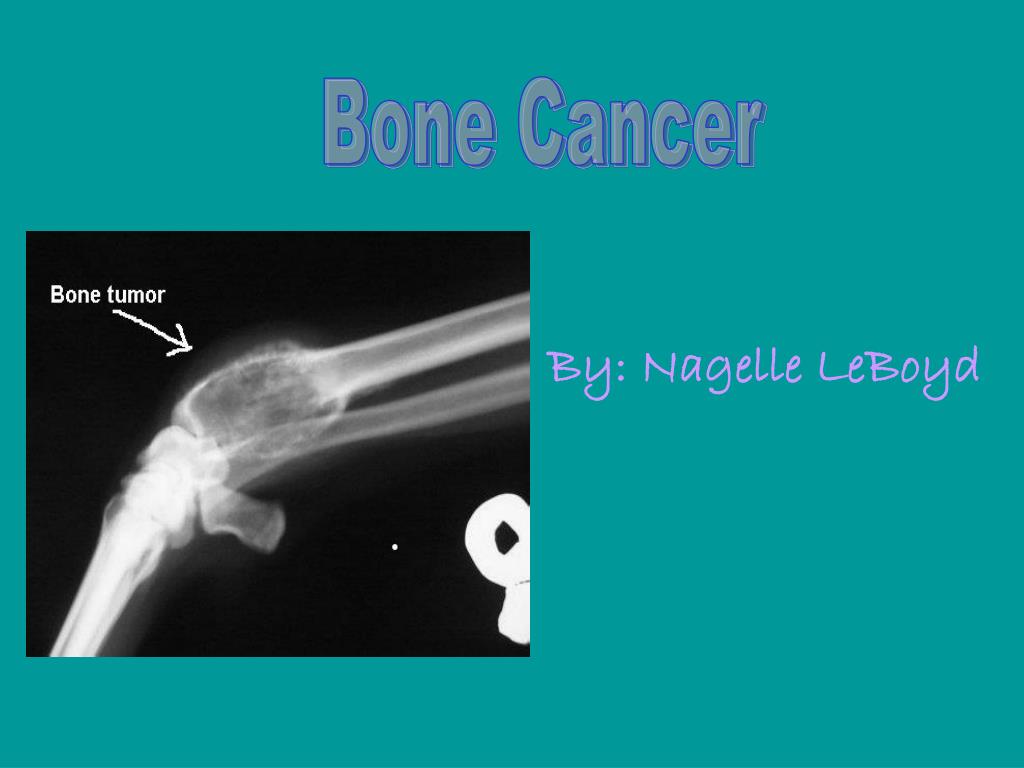
Bone Cancer. By: Nagelle LeBoyd. Cancer. Cancer is caused when the control of cells is lost, and they grow and divide out of control The cells no longer die, and start to form tumors. Types of Bone Cells. There are three types of bone cells Osteoclasts, Osteoblasts, and Osteocytes
Bone Cancer - slide 1
01 / 12Bone Cancer
1 / 17

Télécharger la présentation

Bone Cancer
Une image / un lien ci-dessous est fourni (tel quel) pour télécharger la présentation

Politique de téléchargement : le contenu du site vous est fourni TEL QUEL pour votre information et votre usage personnel ; il ne peut être vendu, concédé sous licence ni partagé sur d’autres sites sans l’accord de son auteur.Le contenu vous est fourni TEL QUEL, pour votre information et votre usage personnel uniquement. Téléchargez la présentation en cliquant sur ce lien. Lors du téléchargement, si vous ne parvenez pas à télécharger une présentation, l’éditeur a peut-être supprimé le fichier de son serveur.Pendant le téléchargement, si vous ne parvenez pas à obtenir une présentation, le fichier a peut-être été supprimé par l’éditeur.

F I N

Plus de contenu associé

Transcription de la présentation
  1. Bone Cancer By: Nagelle LeBoyd

  2. Cancer • Cancer is caused when the control of cells is lost, and they grow and divide out of control • The cells no longer die, and start to form tumors

  3. Types of Bone Cells • There are three types of bone cells Osteoclasts, Osteoblasts, and Osteocytes - Osteoclasts : carries nutrients to the bone - Osteoblasts : make new bone - Osteocytes : removes old bones • Cancer can form from any of these types of cells

  4. Cancer Cells

  5. Tumors • There are two types of tumors Bengin and Malignant • Bengin: Are not cancer and can usually be removed • Malignant: Is cancer, if it gets into your blood stream it can spread to other parts of your body

  6. Tumors cont. • The two most common types of bone cancer are Osteosarcoma and Ewing’s sarcoma • 2,000 people are diagnosed with a bone tumor each year

  7. Symptoms • Unusual bleeding • Unaccountable weight loss • White patches on tongue and inside of the mouth

  8. Types of Malignant Tumors • Osteosarcoma • Most commonly affects males 10 to 25 years olds • Five year survival rate is 65%s • Most often found in the arms and legs

  9. Types of Malignant Tumors • Ewing's sarcoma: • most aggressive bone tumor • mostly affects people ages 4-15 • Commonly attacks the arms and legs • 3 year survival rate is 65%

  10. Treatments and Cures • Surgery: The part of the bone where the tumor has grown is removed and replaced with a bone graft, If the tumor has spread to the tissue then the whole limb may have to be removed • Chemotherapy: Can be used to shrink the tumor before surgery or kill off cancer cells that may have escaped before the surgery

  11. Treatments and Cures cont. • Radiotherapy: Can shrink the tumor before surgery or kills off any cells left behind after the surgery

  12. Reasources • http://www.medicinenet.com/bone_cancer/page2.html • http://www.nlm.nih.gov/medlineplus/bonecancer.html • http://www.atsdr.cdc.gov/COM/cancer-fs.html • Google images