The Bubonic Plague: The Black Death's Impact on 14th Century Europe
140 likes | 260 Vues
The Bubonic Plague, known as the Black Death, ravaged Western Europe in the 1300s, starting with fleas on rats. As food prices soared and hunger plagued the population, this terrible disease swept through trade routes from Asia, causing the deaths of one-third of Western Europe's people. Characterized by painful swellings called buboes and black spots, infected individuals often succumbed within days. The subsequent population decline led to changes in food prices and wages, ultimately contributing to the decline of the Middle Ages and ushering in a new era.


The Bubonic Plague: The Black Death's Impact on 14th Century Europe
E N D
Presentation Transcript
In Western Europe, it all started with fleas on rats.
Life was already hard in Western Europe during the 1300s. Food prices had risen and hunger and starvation increased.
And then, a terrible disease entered Western Europe along trade routes from Asia. In a few years, this disease led to the deaths of one-third of Western Europe’s population.
The disease’s formal name was Bubonic Plague but people called it the Black Death.
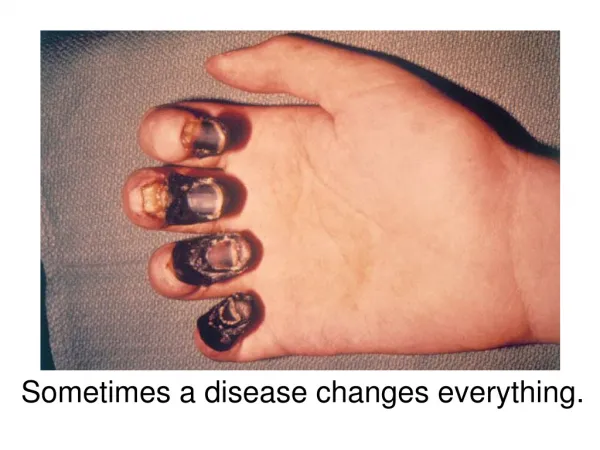
In 1348, Bubonic Plague entered Western Europe. Buboes or swellings and black spots formed on victims.
Infected people usually died within a few days.
Infected fleas on rats bit people and these infected people spread the disease through coughing and breathing.
There were fewer people left to work and pay taxes. As the population decreased, other changes occurred.
A decrease in population led to decreases in food prices and increases in wages. Can you figure out why?
The plague changed everything. It was one of the factors that led to the decline of the Middle Ages and a new era in Western Europe.
After all this death, people wanted life again.
The Big Seven: • What was the Bubonic Plague? • Why was it called the Black Death? • Where did the disease originate? • How did the disease enter Europe? • What percentage of the population died? • How did the disease affect food prices? • How did the disease affect wages?