Download
1 / 9
100 likes | 235 Vues
This article explores the pharmacological agents used to treat central nervous system disorders, including Parkinson's disease, epilepsy, and anxiety disorders. It highlights drugs like hypnotics, general anesthetics, anxiolytics, antidepressants, and their mechanisms of action. Additionally, it discusses the pancreas and its hormone-producing cells, emphasizing the critical roles of insulin and glucagon in blood glucose regulation. The article also covers key medications like Amphotericin B for systemic fungal infections and Acyclovir for herpes virus management, detailing their therapeutic uses and potential adverse effects.

E N D
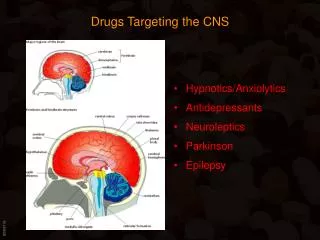
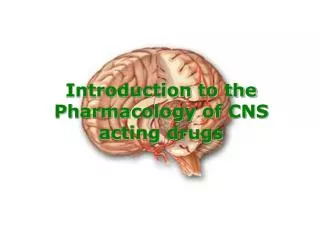
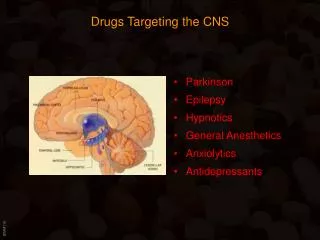
Drugs Targeting the CNS • Parkinson • Epilepsy • Hypnotics • General Anesthetics • Anxiolytics • Antidepressants
Diabetes mellitus Pancreas: • Islets of Langerhans: site of hormone production • A (alpha) cells – produce Glucagon • B (beta) cells – produce Insulin • D (delta) cells – produce Somatostatin Insulin and Glucagon are the major regulators of blood glucose
metronidazole • Protozoal infections • Anaerobic organisms • C. difficile Patient should not have alcohol
Antifungal • Amphotericin B – drug for systemic fungal infections • Given IV – for very serious infections • Causing leakage of intracellular cations in fungal cells • Must be given for several months
Adverse effects • Infusion reactions – pretreat – locally change IV sites • Nephrotoxicity – almost all patients will have some degree • Lipid-based formulas cause less nephrotoxicty (much more expensive) • May be given with flucytosine – can reduce dose of Ampho – decrease side effects
Acyclovir • Infections caused by herpes simplex viruses and varicella zoster virus • Suppresses synthesis of viral DNA – inhibits viral replication
Therapeutic use • Genital herpes – topical and oral for recurrent • Mucocutaneous herpes simplex infections – face and oropharynx • Varicella-zoster – shingles and chickenpox
Adverse effects • Typically well-tolerated • Oral – GI, rash dizziness • IV – phlebitis, inflammation, reversible nephrotoxicity
END Return to Course Site