Exploring Digital Pathways: Institutional Perspectives on the Evolving Scholarly Landscape
This resource delves into the transformation of academic institutions in a digitally-driven scholarly environment. It examines future trends and the impact on recruitment strategies for students and graduates. Highlighting innovative projects like WikiVet, which features engaging anatomical exercises based on historical illustrations, and showcases advanced techniques in plastination of specimens. Discover interactive 3D anatomy tools that enhance learning for clinical students. Explore the Hype Cycle and its implications for academia's future.

Exploring Digital Pathways: Institutional Perspectives on the Evolving Scholarly Landscape
E N D
Presentation Transcript
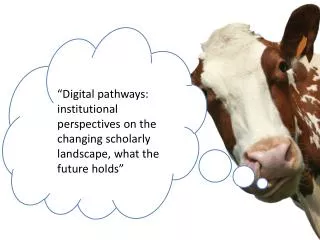
“Digital pathways: institutional perspectives on the changing scholarly landscape, what the future holds”
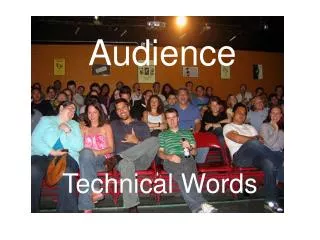
Audience Recruitment Students Graduates
Interactive drag and drop activity based on Stubbs work from 1766. Accurate and detailed drawings based on dissection showing the full anatomy of the horse used to create interactive exercises for revision and learning. View sample at: http://www.rvc.ac.uk/Review/Dragster/index.html Plastination of anatomy specimens. Preservation of dissection specimens using colored plastination techniques to show the routes of vasculature and nerves. View sample at: http://www.um.es/museoveterinario/ingles/plastinated.php Canine thoracic organs in Real 3D Anatomy, showing the heart, lungs and ribs and allowing detailed and accurate visualisation of organs "in-situ", a valuable learning tool for anatomy students and clinical students studying approaches for surgical techniques. View sample at: http://www.real3danatomy.com/thorax/dog-heart-lungs-ribs-3d.html
So what next …..? Image sourced from dairymoos.com