The Roaring 1920s: Normalcy, Stability, and Economic Shifts in Post-WWI America
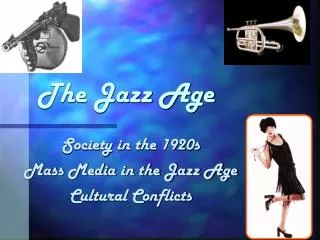
Explore the transformative decade of the 1920s in the United States as it shifted from the chaos of World War I to a period of normalcy and economic growth. Discover how post-war conditions led to the lifting of wartime controls, resulting in inflation and unemployment challenges. Analyze the rise of consumer culture and the entertainment industry, alongside significant social changes such as the end of Progressivism, increased nativism, the onset of Prohibition, and a growing disregard for law. The decade is a pivotal moment of change and contradiction in American history.


The Roaring 1920s: Normalcy, Stability, and Economic Shifts in Post-WWI America
E N D
Presentation Transcript
The 1920s – Part I Normalcy, Stability, & Post-WWI ‘recovery’
I. The U.S. ECONOMY After WWI A. Immediately Following War 1. War-time Controls Lifted a. Wages b. Production of goods/Price of goods 2. Unemployment 3. Inflation
B. By 1924 1. Shifts to consumer economy 2. Entertainment Industry grows
II. No more ‘Hope and Change’ A. Progressivism Ends B. Unions Grow
E. Nativism Increases F. Isolationist Policies
G. Prohibition Begins 1. 18th Amendment - effective Jan. 1, 1920 2. Volstead Act 3. ‘The Bureau’ 4. Unintended Consequences a. Lost revenues b. Rise in organized crime
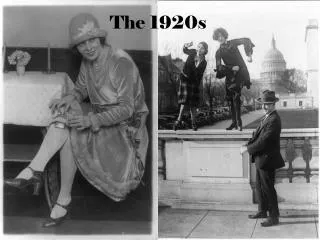
III. La, La, La-La-La-La Live for Today A. Growing Disrespect for Law 1. unpopular laws (prohibition, etc) B. Relaxed Morals and Personal Conduct "They're all desperadoes, these kids, all of them with any life in their veins; the girls as well as the boys; maybe more than the boys." --- from "Flaming Youth," by Warner Fabian (Samuel Hopkins Adams)