Understanding Nigerian Culture: A Deep Dive into Ethnic Groups, Language, and Traditions
This project explores the rich tapestry of Nigerian culture, focusing on its three main ethnic groups: the Yorubas, Hausas, and Ibos. It delves into the complexities of the Nigerian language, highlighting its tonal nature and the significance of idioms and proverbs. Governance in tribal communities, with collective decision-making involving councils of chiefs and elders, is examined. The project also discusses the spiritual beliefs surrounding multiple gods and rituals, including the vibrant Yam Festival celebrated each August, reflecting the deep-rooted traditions and communal practices in Nigeria.

Understanding Nigerian Culture: A Deep Dive into Ethnic Groups, Language, and Traditions
E N D
Presentation Transcript
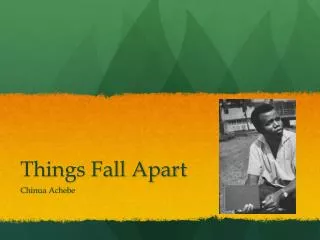
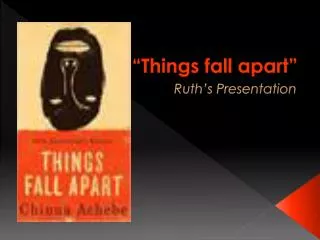
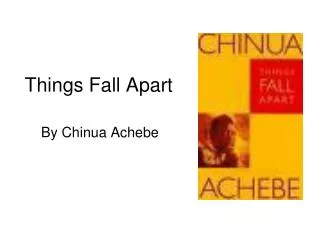
Book Project By: Sari Kroschel Things Fall Apart Nigerian culture
Location Well Nigeria is basically broken down into 3 ethnic groups, the Yorubas, Hausas, and the Ibos.
Language • Derived from a group of languages found in West Africa, or the Kwa languages • Based on a lot of pitch, vocal inflections and context • A single word could have numerous meanings depending on these factors • Idioms and proverbs play and important part in their language
Government in tribes • No single ruler • Almost everyone is involved in the decision process • Different groups are a council of chiefs, the elders of the tribe, women’s association, and secret societies.
Gods • Worship many gods • 3 levels of gods • Highest lever is the supreme ruler or “Chukwu” • Middle lever are the lesser gods call “Umuagbara” • Lowest lever of gods are the “Ndi Ichie”, or spirits of dead people • Also believe in reincarnation. • Each village has priest or priestess to help decipher what the gods said though conducting ceremonies and rituals
Yams • The yam festival is held in present day Nigeria and was also mentioned in the book • Beginning of August at the end of the rainy season when there is a lot of yams to eat • People offer yams to gods and dead relatives before eating
Housing • Mud and thatched roofs with bare floors and carved doors
http://www.gateway-africa.com/tribe/igbo_tribe.html • http://www.africaguide.com/culture/tribes/ibo.htm • http://culture.chiamaka.com/igbopeoplesoc.html